What to know about access problems for rubbish removal N1
Posted on 14/06/2026

What to Know About Access Problems for Rubbish Removal N1
If you are arranging a rubbish collection in N1, access can make the difference between a smooth, same-day job and a frustrating delay. Narrow stairwells, awkward rear entrances, permit-only streets, low kerbs, basement flats, and no legal parking nearby are all ordinary problems in this part of London. The good news? Most of them can be handled well if you know what to look out for. This guide explains What to know about access problems for rubbish removal N1, why they matter, and how to prepare so the collection is quicker, safer, and less stressful.
You will also find a practical checklist, a simple comparison of removal options, and realistic advice for homes, flats, offices, and renovation projects. If you want a broader look at how local rubbish services are organised, the services overview is a useful starting point, and the company's insurance and safety page gives extra reassurance around handling and site safety.
Why What to know about access problems for rubbish removal N1 Matters
Access is one of those things people often underestimate until the van arrives. Then suddenly there is a locked gate, a basement flight of stairs that feels never-ending, or a parking bay that is full at the exact wrong moment. In N1, where homes and businesses range from converted Victorian properties to busy high-street premises, access issues are very normal. Not unusual. Not a sign that you have done anything wrong. Just part of the geography.
Why does it matter so much? Because access affects time, labour, safety, cost, and the overall plan for the job. A straightforward front-door collection is very different from carrying a wardrobe down four narrow floors and then walking it two blocks to the vehicle. The team may need extra loaders, different equipment, more careful timing, or a vehicle positioned in a specific place. If that has not been discussed in advance, the day can become messy very quickly.
There is also the human side. Nobody wants bags scraping along freshly painted walls, furniture catching on banisters, or a neighbour getting annoyed because items are blocking a shared hallway. A little preparation avoids that. Truth be told, access problems are often what separate a relaxed, professional clearance from a stressful one.
Expert summary: In N1, the best rubbish removals are rarely the ones that move fastest by accident. They are the ones where access, parking, loading, and item size are discussed early and honestly.
How What to know about access problems for rubbish removal N1 Works
Access planning usually starts before the team arrives. Good providers will ask questions about the property, the type of waste, and where the items are located. That may sound simple, but it saves a lot of back-and-forth later.
Here is what is usually considered:
- Entry points: front door, side passage, rear alley, shared hallway, lift access, or garden gate.
- Stairs and lifts: width, turning space, number of flights, weight limits, and whether the lift is working.
- Parking and loading: proximity of the vehicle, permit restrictions, yellow lines, and whether loading is realistic on your street.
- Item size and shape: wardrobes, mattresses, broken desks, rubble sacks, appliances, or awkward flat-pack timber.
- Site conditions: wet floors, fragile flooring, tight corners, poor lighting, or low head height.
In practice, the process is often a balancing act. The team wants the shortest possible carry route, but they also need to protect the property and work safely. If a building has a tight staircase, they may bring fewer, stronger items at a time rather than trying to force the pace. If parking is awkward, they may arrive at a quieter time or set up a shorter loading loop. Simple idea. Big difference.
For larger jobs, the provider may suggest a different service approach entirely. For example, heavy builder's rubble, mixed refurbishment waste, or repeated clearances may be better suited to a dedicated builders waste clearance service rather than a one-off general collection. Likewise, if the task is more about removing clutter from a whole home, a house clearance in Islington can be more efficient than treating every item as separate rubbish.
Key Benefits and Practical Advantages
Getting access right is not just about avoiding problems. It brings real benefits that you notice on the day and sometimes even beforehand.
- Less delay: fewer surprises mean less waiting around while decisions are made.
- Lower handling risk: the team can move items with less chance of damage or injury.
- Better pricing clarity: access details help produce a more realistic quote.
- Cleaner finish: protected floors and better route planning reduce scuffs and mess.
- More suitable vehicle planning: the right van size and crew size can be arranged.
- Less stress for you: you are not scrambling to find a parking solution at 8.15 in the morning.
There is another benefit that often gets overlooked: better communication with neighbours, building managers, or concierge teams. If the route and timing are known in advance, it is much easier to keep shared spaces clear and avoid awkward conversations in the hallway.
That matters even more in flats and mixed-use buildings. In busy parts of N1, where residents may be coming and going constantly, a short and tidy loading window can make everyone's life easier. A lot easier, actually.
Who This Is For and When It Makes Sense
This topic is relevant to more people than you might expect. Access problems are not just a "top floor flat" issue. They show up in all sorts of everyday situations.
- Flat owners and tenants dealing with narrow staircases, lifts, or shared entrances.
- Landlords and letting agents arranging end-of-tenancy clearance or emergency clean-ups.
- Homeowners clearing lofts, garages, sheds, or front gardens.
- Office managers removing desks, filing cabinets, packaging waste, or broken equipment.
- Builders and contractors handling renovation waste where access is tight or repetitive.
- People preparing a property for sale or let and needing the place cleared quickly.
It is especially relevant if your property has one or more of these features:
- basement or lower-ground floor access
- no lift, or a lift too small for bulky items
- rear access through a narrow passage
- residents-only parking or short loading bays
- shared corridors, stairwells, or concierge-controlled entry
- large, heavy, or awkward items that cannot be broken down easily
If you are also thinking about a move, sale, or new tenancy, access becomes doubly important because rubbish removal often needs to be coordinated with cleaners, removals, or estate agents. The local articles on property sales in Islington and smart real estate buying in Islington are useful companions here, because tidiness and timing are often linked in a very practical way.
Step-by-Step Guidance
If you want a simple route through the process, use this. It works well for most N1 collections.
- Walk the route first. Look at the path from the item to the vehicle: doorways, corners, stairs, lifts, gates, and the street outside.
- Measure the awkward bits. Door widths, stair landings, and lift dimensions matter more than people think. A sofa that looks manageable in the room can be a nightmare at the turn in the stairs.
- Identify the loading point. Decide where the vehicle can safely stop. If parking is tight, think about whether a short carry is still realistic.
- Tell the provider about access early. Mention narrow hallways, codes, locked doors, basement steps, or fragile surfaces before the job is booked.
- Separate items by difficulty. Put bulky furniture, loose rubbish, and heavy materials in different groups if possible. It helps the team plan the load order.
- Clear the route inside the property. Move shoes, ornaments, plant pots, and anything fragile. A hallway with too much clutter is, frankly, asking for trouble.
- Keep someone available if needed. If access depends on a key, entry code, or building manager, make sure the right person is reachable.
- Confirm timing before the day. In busy streets, a narrow loading window can be crucial. Morning collections may be easier than peak daytime traffic.
For everyday collections, the service may simply be a straightforward rubbish collection in Islington. But if the job involves general clutter rather than a single collection point, a broader rubbish clearance can be the better fit. It depends on what is actually in front of you, not just the label on the service.
Expert Tips for Better Results
After enough clearances, a few patterns become obvious. The people who avoid hassle tend to do the small things well.
- Use photos, not just descriptions. A picture of a staircase, a basement entrance, or a tight hallway can be far more useful than saying "it is a bit narrow".
- Be honest about the awkward stuff. If the parking is terrible or the lift is out of order, say so. It is not a problem if the provider knows in advance.
- Think about the time of day. School runs, market traffic, delivery vans, and resident parking patterns can all affect access in N1.
- Protect floors and corners early. A few sheets of cardboard or proper coverings can save a nasty scuff. Small effort, big relief.
- Break down furniture where possible. Flat-pack items, legs, shelves, and doors often reduce the carry difficulty dramatically.
- Keep a backup plan. If the nearest loading spot is blocked, where else can the vehicle safely stop?
One overlooked tip: if you live in a building with shared access, let neighbours know the rough timing. Not a dramatic announcement, just a quick heads-up. A little courtesy goes a long way when everyone is squeezing through the same hallway.
And if your collection is part of a bigger clear-out, it may help to review the provider's broader approach to sustainability. The page on recycling and sustainability is helpful for understanding how materials are handled, which is reassuring when you are sorting mixed loads.
Common Mistakes to Avoid
Most access problems are not caused by bad luck. They come from missing a detail that was easy to spot beforehand.
- Underestimating item size: that old wardrobe may be wider than the hallway turn.
- Forgetting about parking restrictions: if the vehicle cannot stop near enough, everything becomes slower and more expensive.
- Not mentioning stairs or lifts: what seems obvious to you may be entirely unknown to the provider.
- Leaving everything until the arrival time: if the route is not clear, the crew ends up waiting while you move things.
- Ignoring fragile surfaces: polished floors, newly painted walls, and old bannisters need a bit of respect.
- Assuming "same day" solves access issues: speed is useful, but it does not replace planning.
A small but common one: people say, "It should be fine, it always is." Then the lift breaks, or the van cannot fit on the road, or the bulky sofa will not make the final turn. To be fair, it happens all the time. The fix is not panic. It is just better prep.
Tools, Resources and Recommendations
You do not need specialist equipment for every job, but a few simple tools can make access much easier.
- Measuring tape: useful for doors, lifts, and furniture widths.
- Phone camera: the quickest way to show awkward entry points.
- Floor protection: cardboard, blankets, or runners can reduce damage.
- Labels or sticky notes: handy when separating items to keep, donate, or remove.
- Torches or good lighting: especially useful in basements, lofts, and back passages.
- Basic gloves and sturdy shoes: sensible for anyone moving items around before the crew arrives.
On the service side, it helps to know what kind of removal you actually need. Furniture, household junk, garden waste, garage clutter, loft contents, and office furniture all create different access challenges. For example, old sofas and wardrobes often need very careful route planning, so a dedicated furniture disposal service can be a better fit than a generic clear-out. A cluttered loft, on the other hand, may be better handled through loft clearance if the access route is tight and the volume is high.
If you are comparing service style, the page on junk removal in Islington is useful for understanding flexible, mixed-item collections. It can help when your waste is not neatly one category or another. Real life rarely is, does it?
Law, Compliance, Standards, or Best Practice
Access problems are not just operational; they can touch on safety, liability, and the condition of the property. In the UK, responsible rubbish removal should follow sensible handling practices, waste transfer expectations, and basic site safety. You do not need to become a legal expert, but you should expect the provider to work carefully and lawfully.
Best practice usually includes:
- clear communication before the job
- safe lifting and carrying methods
- reasonable care for floors, walls, and shared spaces
- proper disposal routes for collected waste
- appropriate insurance cover for the work being carried out
If access is especially tight, the provider should be realistic about what can be moved safely. That may mean a different crew size, a longer loading time, or even rescheduling if the route is not safe. A good operator does not just say "yes" to everything. They assess, explain, and adjust. That is what responsible service looks like.
If you want a broader sense of company standards and how the team presents itself, the about us page can help with background. If payments, booking steps, or transaction confidence matter to you, the payment and security information is worth a read before you confirm anything.
Options, Methods, or Comparison Table
When access is awkward, the right method matters. Here is a simple comparison to help you think it through.
| Option | Best for | Access impact | Practical note |
|---|---|---|---|
| Van-based rubbish removal | Mixed household waste, furniture, quick clear-outs | Needs a clear loading route and nearby vehicle access | Often best when items are ready and access is manageable |
| Dedicated clearance service | Whole rooms, estates, end-of-tenancy jobs | Better for complex internal access and larger volumes | Useful when the job is bigger than a single collection |
| Skip hire | Projects with ongoing waste over time | Needs external placement and room for delivery | Can be awkward on tight streets or where permits matter |
| Specialist builder's waste collection | Heavy rubble, renovation waste, dusty materials | May cope better with difficult access if planned properly | Useful on construction-heavy or refurbishment jobs |
There is no universal "best" option. It depends on volume, weight, access, and timing. A compact flat with no parking may suit a small van collection. A large office strip-out may need a more structured plan. That is the honest answer, even if it is a little less tidy than people would like.
For readers weighing up alternative methods, the skip hire page can help explain when a skip may or may not suit a crowded N1 street. And for those who need a more service-led approach rather than self-managed loading, the waste removal option is worth considering.
Case Study or Real-World Example
Here is a realistic example, based on the kind of situation that comes up all the time in N1.
A resident in a converted townhouse needed to clear a sofa, a mattress, two broken wardrobes, and several bags of mixed clutter from the second floor. On paper, it sounded straightforward. But the building had a narrow staircase, a tight turn on the landing, and no legal parking directly outside. The first instinct was to say, "We'll just move it out on the day." That would have been a mistake.
Instead, the access details were checked in advance. Photos were sent. The stair width was measured. The team planned a smaller carrying chain and scheduled the job at a quieter time so loading would be easier. They also asked for the hallway to be cleared before arrival. Nothing dramatic. Just proper planning.
The result? The job finished without damage to the walls, no blocked entrance, and no stressful last-minute parking hunt. The resident said the best part was simply how calm it felt. Not flashy. Just efficient. And honestly, that is what people usually want from rubbish removal.
Another good example is a small office near Angel where old desks and boxes had to be removed from a shared building. The lift was available, but only for certain item sizes, and the loading bay was time-limited. The provider adapted the timing and loading sequence rather than trying to force a one-size-fits-all process. If your situation is similar, the office clearance page gives a clearer idea of how commercial access needs can be handled.
Practical Checklist
Use this before the collection day. It will save you a headache or two.
- Have you checked the route from the items to the vehicle?
- Do you know whether there are stairs, a lift, or a locked gate involved?
- Have you measured any awkward furniture or appliances?
- Do you know where the vehicle can legally and safely stop?
- Have you warned the provider about narrow access or basement entry?
- Are fragile floors, walls, or bannisters protected?
- Have you told neighbours or building staff if shared access is involved?
- Are keys, codes, or entry permissions ready for the day?
- Have you separated items that are staying from items being removed?
- Do you have a backup plan if the usual loading point is blocked?
If you can answer yes to most of those, you are in good shape. If not, there is still time. That is the nice part. Access problems are usually manageable when they are identified early enough.
Conclusion
Access issues are a normal part of rubbish removal in N1, not a failure on your part. Tight staircases, shared entrances, parking limits, and awkward loading points are all part of working in a busy London area. The key is to treat access as part of the job, not an afterthought.
Once you do that, everything becomes easier: the quote is clearer, the team is better prepared, the property is better protected, and the day feels far less rushed. That is really the whole point. Good rubbish removal should feel organised, safe, and quietly efficient.
And if your clear-out is tied to a move, renovation, or business change, a little careful planning now can save a surprising amount of time later. Small details, big difference. Always.
Get a free quote today and see how much you can save.


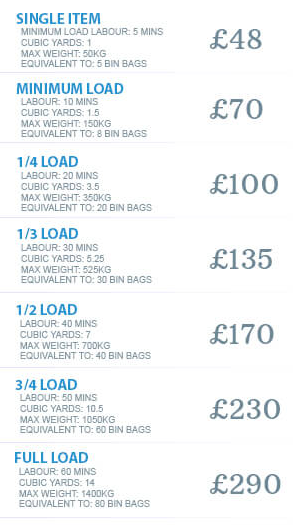
 Tipper Van - Rubbish Removal and Junk Collection Prices in Islington N1
 Luton Van - Household Waѕte & Green Waѕte Removal Prices