Upper Street rubbish removal and bulky waste tips
Posted on 08/05/2026
Upper Street rubbish removal and bulky waste tips: a practical local guide
If you live, work, or run a property near Upper Street, bulky waste has a habit of turning up at the worst possible moment. A sofa that will not fit through the door. A broken wardrobe sitting in a hallway. A pile of boxes, old fixtures, or leftover trade waste after a small refurb. Suddenly the flat feels cramped, the bins are overflowing, and you just want the place clear without turning the day into a mini disaster.
This guide on Upper Street rubbish removal and bulky waste tips is designed to help you handle that mess sensibly. You will find practical ways to sort waste, plan collection, avoid common mistakes, and choose the right clearance method for your situation. I will also cover what matters locally in Islington, because lets face it, removing rubbish in a busy London street is not quite the same as shifting a few bags on a quiet cul-de-sac.
For readers wanting a broader overview of local support, you may also find the services overview helpful, especially if you are comparing different types of clearance rather than just one-off bulky items.
Why Upper Street rubbish removal and bulky waste tips Matters
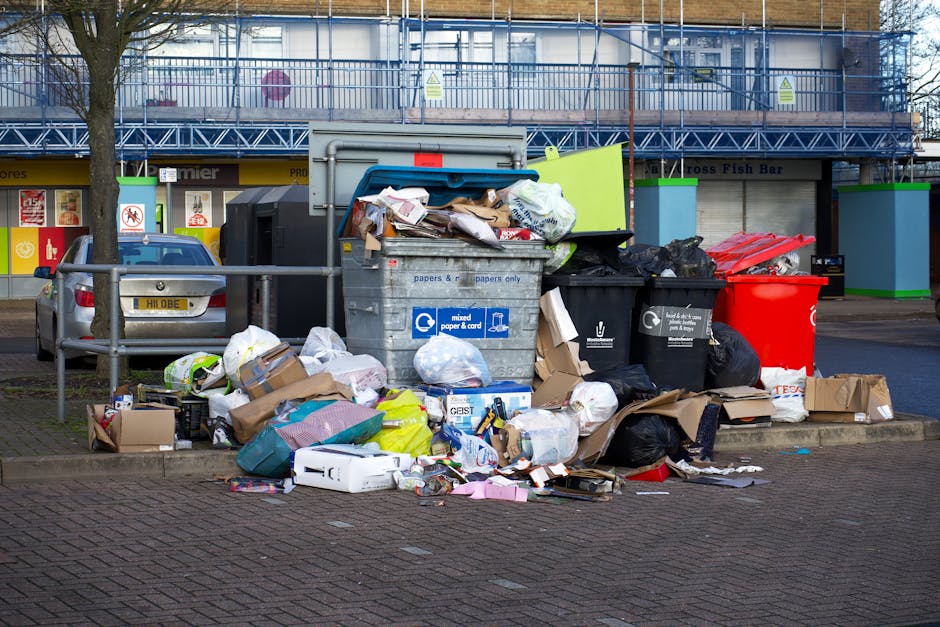
Upper Street is busy, well-used, and never far from a time pressure. That alone changes how rubbish removal works. A bulky item left in a stairwell can block access, a pile of waste outside a property can draw complaints, and a badly timed collection can disrupt neighbours, customers, or tenants. In other words, this is not just a tidying exercise. It affects safety, appearance, usability, and sometimes even a sale or handover.
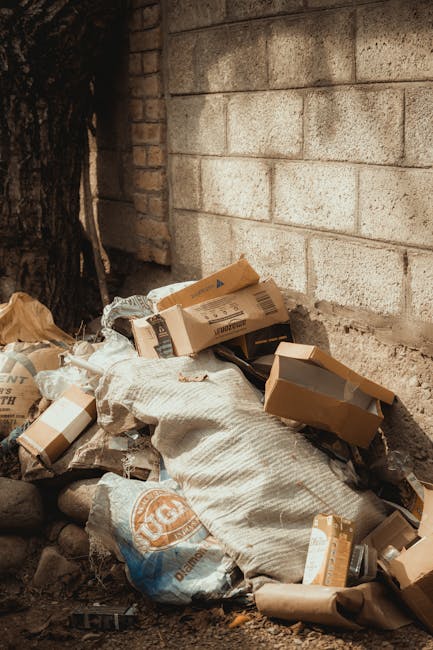
Bulky waste is usually anything too large for normal household bins. Think armchairs, mattresses, wardrobes, desks, white goods, carpet rolls, packaging from a delivery, garden debris, or mixed junk after decluttering. On Upper Street, where flats, converted buildings, shops, offices, and short-term lets all sit close together, the practical challenge is usually access. Narrow staircases, controlled parking, and limited loading space can make a simple job feel awkward fast.
There is also the question of disposal responsibility. If you leave items out without planning properly, they may become a nuisance. If waste is handed to the wrong person, you can end up with an avoidable problem. That is why a little preparation goes a long way. To be fair, most clearance headaches come from poor sorting rather than the actual lifting.
How Upper Street rubbish removal and bulky waste tips Works
The process usually starts with identifying what needs to go. From there, you decide whether the load is suitable for a council-style bulky collection, a private rubbish clearance, a skip, or a more specialised service such as furniture disposal in Islington or house clearance in Islington. The right route depends on the size of the waste, how quickly it needs to go, and whether the items are mixed with general rubbish, building debris, or reusable goods.
A private clearance service normally works in a few clear steps:
- You describe the waste and share photos if needed.
- The collection window is agreed, often with an estimate based on load size and access.
- The team arrives, assesses the items, and removes them from inside or outside the property.
- The waste is sorted for reuse, recycling, or disposal where possible.
- You receive confirmation of the collection and, where relevant, documentation or a receipt.
For more involved jobs, especially after renovations or flat refurbishments, it can make sense to look at rubbish clearance in Islington or even builders waste clearance in Islington. That distinction matters because builders waste, household junk, and garden waste often need to be handled differently.
One practical note: if the items are awkward, heavy, or awkwardly stacked, the collection becomes as much about access planning as it is about removal. Measure doorways. Check stairs. Know whether parking or loading is possible. Those details save time and, frankly, a lot of grumbling on the day.
Key Benefits and Practical Advantages
Good rubbish removal is not only about getting rid of clutter. It creates breathing room, reduces trip hazards, and helps a property feel usable again. In a flat off Upper Street, that may mean a hallway can finally be walked through without sidestepping an old chest of drawers. In a shop or office, it may mean staff can work without boxes and broken furniture eating up floor space.
Here are the benefits that matter most in real life:
- Less stress: Once bulky waste is gone, the place instantly feels more manageable.
- Better safety: Fewer obstructions means fewer trips, scrapes, and lifting accidents.
- More usable space: This is especially useful in smaller London homes where every metre counts.
- Cleaner presentation: Handy before letting, selling, photographing, or hosting.
- Faster project progress: Renovations and redecorating jobs move along once the waste is cleared.
- Better sorting and recycling: A structured removal approach often means more can be diverted from landfill.
If you care about responsible disposal, it is worth reading the site's recycling and sustainability page too. That helps set expectations about how waste is managed and why sorting matters before the truck even arrives.
Expert summary: The best bulky waste removal is not the fastest-looking option on paper. It is the one that fits your access, your waste type, your timing, and your responsibilities without creating a second problem. Simple, but easy to get wrong.
Who This Is For and When It Makes Sense
This guidance is useful for a wide range of people in and around Upper Street. You may need it if you are moving out, clearing a rental, replacing furniture, redesigning a space, or trying to tidy before guests arrive. Landlords, tenants, homeowners, local businesses, estate agents, and tradespeople all bump into bulky waste at some point.
It makes particular sense when you are dealing with one of these situations:
- A mattress, sofa, or wardrobe that cannot be left in normal bin areas
- End-of-tenancy waste left behind by a previous occupier
- Office furniture or paperwork that has reached the end of its useful life
- Leftover waste from a bathroom, kitchen, or small building project
- Garden cuttings, broken pots, or outdoor furniture after a clear-out
- Garage, loft, or storage room clutter that has been ignored for months
It is also worth looking at the job through a property-market lens. If you are preparing for sale or rent, a clear space tends to photograph better and show better. You can see how that connects with local moving and presentation concerns in articles like property sales in Islington and smart real estate buying in Islington. A tidy property rarely hurts, even if the bin bags are the least glamorous part of the story.
Step-by-Step Guidance
If you want the smoothest possible clearance, work through the job in a sensible order. Rushing usually creates more lifting, more confusion, and more chances of overlooking something important.
1. Identify what actually needs to go
Walk through the property slowly and separate items into keep, donate, recycle, and remove. Be honest with yourself. If that exercise bike has been a clothes rack for two years, it is probably not suddenly becoming a fitness tool next week.
2. Sort by waste type
Put furniture, general junk, electrical items, garden waste, and builder's debris into separate groups where possible. Mixed waste can still be removed, but it is easier to plan the job when the load is clearer.
3. Check access and lifting points
Measure stairwells, lifts, door widths, and any tight corners. Also think about parking. Upper Street traffic can be unforgiving at peak times, so a good loading plan matters more than people expect.
4. Photograph the items
A few clear photos from different angles help you explain the job accurately. If an item is damp, broken, very heavy, or partly dismantled, mention that too.
5. Decide on the right method
If the load is small and standard, a collection may be straightforward. If it includes a bulky sofa set, broken beds, or a pile of mixed waste after decorating, a dedicated junk removal in Islington or waste removal in Islington option may be better. For single-item support, a more specific service can sometimes save time.
6. Prepare the items for collection
Where safe, loosen screws, remove cushions, empty drawers, and tape up sharp edges. Do not dismantle anything structural or risky unless you are confident. A wobbly wardrobe can become a comedy sketch very quickly. Not the good kind.
7. Keep the route clear on the day
Move shoes, plant pots, loose cables, and small furniture out of the path. That tiny bit of prep can make a surprisingly big difference.
Expert Tips for Better Results
Over time, certain habits make bulky waste removal much easier. The first is timing. If you know you will be replacing furniture, arrange removal before the new items arrive. It sounds obvious, but many people end up with two sofas in one room and no easy way to move either of them.
Another useful tip is to avoid mixing everything together if you can help it. A pile of waste that contains timber, metal, cardboard, fabric, and electricals is slower to sort. Separate streams are usually simpler and often better for recycling. You do not need to become a waste expert, just give the collection team a head start.
Think in terms of risk too. If an item is heavy, bulky, wet, mouldy, or has sharp protrusions, say so upfront. That is especially relevant for cellar clearance, loft clearance, and garage jobs. If your waste is part of a wider property clear-out, pages like loft clearance in Islington and garage clearance in Islington can be helpful starting points.
And one more thing: keep your paperwork, booking details, and any collection confirmation together. It saves time if there is a question later. A simple email thread can be worth its weight in gold when you are juggling a move, a tenant handover, or a refurbishment deadline.
Practical tip: the easiest clearances usually happen when someone has already done 20 minutes of sorting before the team arrives. Not perfect sorting. Just enough to make the waste obvious and the access easy.

Common Mistakes to Avoid
Most problems with bulky waste are avoidable. The mistake I see most often is underestimating size. A single sofa sounds simple until you realise it will not fit around the landing turn without being lifted upright, rotated, and nudged by two people. That is where planning earns its keep.
Other common mistakes include:
- Leaving items for days outside the property: This can create clutter, complaints, or weather damage.
- Assuming all waste is the same: Furniture, electricals, builders waste, and garden waste are not interchangeable.
- Forgetting access details: A missing parking space can delay the whole collection.
- Not checking for reusable items: Some items may be suitable for reuse if they are clean and safe.
- Trying to lift too much alone: It only takes one awkward move to strain your back.
- Ignoring legal disposal responsibility: You should always know who is taking the waste and how it will be handled.
A small but important point: if you are clearing business premises, the standards can feel stricter because the disruption is more visible. For office settings, you may want to look at office clearance in Islington rather than forcing a household-style approach onto a workplace job. That simple distinction avoids a lot of friction.
Tools, Resources and Recommendations
You do not need a van full of gear to organise a good clearance, but a few simple tools help. A tape measure, gloves, bin bags, marker pens, strong tape, and a phone for photos are usually enough for the planning stage. If you are dismantling light furniture, a screwdriver or Allen key set may come in handy.
For heavier jobs, however, resist the urge to improvise with fraying straps or makeshift lifting methods. Safety matters. If an item is awkward, let it be awkward and plan accordingly. If you want reassurance around handling and collection standards, the insurance and safety page is worth a look.
Useful resources often include:
- Local service pages for the exact type of clearance you need
- Guidance on recycling and sustainability
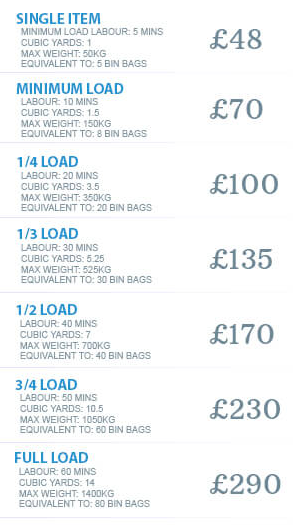
- Clear pricing and quote information before you book
- Support pages for terms, payment, and service expectations
For example, it is sensible to understand how quoting works before you commit, especially if the job is mixed or access is tricky. The pricing and quotes page can help with that, while payment and security explains the practical side of completing a booking.
Law, Compliance, Standards, or Best Practice
When rubbish is being removed, good practice matters. In the UK, waste should be transferred to a legitimate carrier and handled responsibly. You do not need to know every detail of waste law to make a safe decision, but you should be cautious about handing waste to anyone who cannot explain where it is going or how it will be managed.
For domestic and commercial customers alike, a few sensible checks go a long way:
- Ask how mixed waste is separated where possible
- Check that collections are insured and handled safely
- Keep records of service details and receipts
- Be careful with items that may contain hazardous components, such as fridges, paint, or certain electricals
- Do not use unverified disposal routes simply because they are cheap or convenient
Best practice also means being considerate of neighbours and public spaces. On Upper Street, where pavement space can be tight and foot traffic constant, keeping waste contained until the agreed collection time is simply courteous. It also reduces the chance of items being scattered, damaged, or in the way of passers-by.
If you are comparing service standards, the about us page can help you understand the operator behind the service, while the terms and conditions and privacy policy pages help set expectations around how your booking details are handled.
Options, Methods, or Comparison Table
There is no one-size-fits-all approach to bulky waste. A small flat clearance, a single sofa, and a post-renovation load all call for different decisions. Here is a simple comparison to help you think it through.
| Method | Best for | Strengths | Watch-outs |
|---|---|---|---|
| Private rubbish collection | General bulky items and mixed household waste | Fast, flexible, less work for you | Needs good access and accurate description |
| Skip hire | Longer projects with steady waste volume | Handy if waste builds up over several days | Space, permits, and loading arrangements can be tricky |
| Targeted item removal | Single furniture pieces or a few large objects | Simple and efficient | May not suit mixed waste |
| House or office clearance | Whole-room, whole-property, or workplace clear-outs | Best for larger, more complex jobs | Requires better planning and more detailed sorting |
Skip hire is not automatically the best answer just because the job is large. In a place like Upper Street, where access and loading can be awkward, a direct collection service is often less of a headache. Still, for refurbishment work, a skip can be practical. If you are unsure, the skip hire in Islington page gives you another route to compare.
Case Study or Real-World Example
Picture a typical Upper Street flat: a second-floor conversion, a narrow staircase, one old sofa, two wardrobes, a broken desk, and several black bags of mixed clutter from a long-overdue sort-out. Nothing unusual. Nothing dramatic. But the access is tight, the hallway is narrow, and the sofa will not bend the way anyone wishes it would.
The most efficient approach here is not to drag everything outside first. That would only block the landing and increase lifting. Instead, the items are grouped near the rooms they came from, the route is cleared, and the larger pieces are checked for dismantling points. The desk is broken down safely, the wardrobes are emptied, and the sofa is removed last once the path is clear. A straightforward job, but only because the prep was sensible.
Now compare that with a small business near Upper Street clearing old shelving, packaging waste, and a few damaged chairs after a refit. The space is different, the items are different, and the timing matters because customers still need access. In that setting, the right decision may be to schedule a discreet collection outside trading hours. One small detail, but it can save the day.
That is really the theme here: the best rubbish removal outcome is usually the quiet one. No fuss. No blocked hallway. No last-minute panic.
Practical Checklist
Use this checklist before booking or attempting a bulky waste clear-out:
- Identify every item that needs removing
- Separate furniture, rubbish, garden waste, and builders debris
- Check doorways, stairs, lifts, and parking access
- Take clear photos of the load
- Decide whether the job is a single-item removal, a clearance, or a skip job
- Remove loose contents from drawers, cupboards, and cabinets
- Protect floors and walls if heavy items must be moved through the property
- Keep pets and children away from the work area
- Confirm the collection time and any entry instructions
- Have payment, paperwork, or booking details ready
If you are dealing with leftover garden material, you may also want to check garden waste removal in Islington for a more specific route. Different waste types really do benefit from different plans.
Conclusion
Upper Street rubbish removal becomes far easier once you stop treating bulky waste as an afterthought. A little sorting, a little measuring, and a little realism about access can make the whole thing faster, safer, and much less stressful. Whether you are clearing a flat, an office, a rental, or a renovation mess, the same basic principle applies: know what you have, know how it will move, and choose the right disposal route.
Done well, the space feels lighter almost immediately. That open hallway, that cleared corner, that moment when the last awkward item is finally gone - it makes a difference. And sometimes that small bit of relief is exactly what you need on a busy Upper Street day.
Get a free quote today and see how much you can save.
If you are ready to talk through your clearance, you can also reach out via the contact page for the next sensible step.