Mistakes to avoid when booking rubbish clearance for flats
Posted on 08/07/2026

Mistakes to Avoid When Booking Rubbish Clearance for Flats
Booking rubbish clearance for a flat sounds simple enough. In reality, it is where a lot of avoidable headaches begin: missed access times, surprise fees, stairwell damage, unclear pricing, and collections that never quite match the amount of waste sitting in the hallway. If you live in a flat, especially in a busy London area, a small booking mistake can turn into a messy morning very quickly.
This guide walks through the most common mistakes to avoid when booking rubbish clearance for flats, how the process usually works, what to ask before you book, and how to keep the job tidy, legal, and fairly priced. It is written for residents, landlords, letting agents, and anyone who has ever looked at a pile of unwanted items and thought, "Right, let's get this sorted properly."
Why Mistakes to Avoid When Booking Rubbish Clearance for Flats Matters
Flat clearances are not the same as house clearances. There is usually less space, tighter access, more neighbours nearby, and often a building manager or porter involved somewhere in the chain. That means every detail matters: the booking time, the lift situation, parking, and the list of items being removed.
When people rush the booking, they often end up paying twice in one way or another. Sometimes it is a direct extra charge. Sometimes it is the hidden cost of time lost waiting around while a team cannot get into the building. And sometimes it is the stress of having to move bulky items down several flights of stairs at the last minute. Not ideal, really.
It also matters because rubbish disposal has to be handled properly. Good providers should remove waste safely, sort it sensibly, and take account of what can be reused or recycled. If you want a broader overview of how a professional service is usually structured, the services overview page gives a useful sense of the range of clearance options available.
Expert summary: The biggest booking mistakes are nearly always about assumptions. People assume access will be easy, the quote will cover everything, or the crew will know the layout of the building without being told. Flats punish assumptions. A careful booking avoids most of the drama.
How Mistakes to Avoid When Booking Rubbish Clearance for Flats Works
At its simplest, rubbish clearance for flats means a clearance team comes to your building, removes unwanted items from inside or outside the property, loads them safely, and disposes of them appropriately. But the details are where the success or failure sits.
A proper booking normally starts with a description of what needs removing. That may include old furniture, broken appliances, bags of mixed household waste, loft or balcony clutter, or items left behind after a tenancy change. The more accurate the description, the more accurate the quote.
Then comes access. This is the bit many people underestimate. Is there a lift? Is it working? Can the vehicle stop nearby? Are there any time restrictions for loading? Are the corridors narrow? Does the concierge need advance notice? These things sound small until someone is trying to carry a wardrobe through a doorframe the width of a biscuit tin.
Finally, the operator should clarify what happens on collection day. They may ask for photos, offer a fixed or estimated quote, explain what cannot be taken, and confirm whether the job includes labour, loading, recycling, or any special handling. If the booking process feels vague, that is usually your first warning sign.
For people who want to understand pricing language before they commit, it is worth reading about how to avoid hidden fees in rubbish removal quotes. It is one of those topics that seems boring until you see the final invoice.
Key Benefits and Practical Advantages
When booked properly, flat rubbish clearance saves time, keeps communal areas tidy, and removes the strain of lifting awkward items yourself. That alone is worth a lot if you live on an upper floor or are dealing with a deadline such as a move-out, tenancy handover, or refurbishment.
There are also a few less obvious advantages:
- Less disruption to neighbours: a planned collection is faster and quieter than dragging items around bit by bit.
- Safer handling: trained crews are generally better at moving bulky waste without damaging walls, floors, or bannisters.
- Better pricing clarity: when you provide the right details, you are more likely to receive a fair quote.
- Improved recycling outcomes: reputable teams usually sort reusable and recyclable materials more carefully.
- Reduced stress: which, let's face it, is half the battle when the hallway is full of boxes and a sofa is blocking the balcony door.
Good planning also makes same-day or next-day jobs more realistic. If you need a rapid collection, it helps to know the common pitfalls first. This is especially true in dense neighbourhoods where access is tighter than it looks on paper. A useful related read is common problems with same-day rubbish collection in Islington.
Who This Is For and When It Makes Sense
This topic matters to more people than you might think. Flat rubbish clearance is not only for people doing a full move. It is also for smaller, very ordinary situations.
- Tenants clearing out before checkout
- Landlords dealing with abandoned items
- Homeowners replacing old furniture or appliances
- Letting agents managing end-of-tenancy clearances
- Flat owners preparing for decorators or tradespeople
- People clearing a balcony, storage cupboard, or loft-style space
- Residents in blocks with limited bin storage or strict waste rules
It makes sense whenever you have more waste than your regular bins can handle, or when the items are too bulky, too heavy, or too awkward to move alone. In some cases, a single old wardrobe can be enough to justify a booking. In others, it is a whole flat reset after a long tenancy. There is no "right" scale, only the point at which the job becomes a nuisance better handed over.
If you are comparing service types, the difference between house clearance, office clearance, and general rubbish clearance can help you choose the right fit for a flat without overbuying the service.
Step-by-Step Guidance
Here is a practical way to book flat rubbish clearance without stumbling into the usual traps.
- List everything that needs removing. Be specific. "Old stuff" is not enough. Write down furniture, appliances, bags, fixtures, or loose waste.
- Check access properly. Think about lifts, stairs, parking, loading areas, door widths, concierge rules, and any building restrictions.
- Take a few photos. Not glamorous, but very useful. Clear pictures help the provider judge volume and access conditions.
- Ask what the quote includes. Loading, labour, recycling, disposal, congestion charges, and waiting time should all be clear before booking.
- Confirm timing. Some buildings only allow collections in certain windows. A missed slot can be expensive or awkward.
- Separate prohibited items. Some materials need special handling. Do not assume everything goes in one van.
- Protect shared areas. Move rugs, open doors carefully, and let neighbours know if the hallway might be busy.
- Get the booking in writing. A short confirmation message can save a lot of argument later.
In our experience, the best bookings are not the fanciest ones. They are the clearest ones. The crew arrives, knows exactly what they are facing, and gets on with it. No drama. No "we didn't realise there were three flights of stairs" conversations.
If your flat has awkward access, it is worth reading what to know about access problems for rubbish removal in N1 before you commit to a slot.
Expert Tips for Better Results
A few small habits make a big difference. Here are the ones that matter most.
Be honest about volume
People often understate how much rubbish they have because they want a lower quote. Fair enough, but it can backfire. The crew may arrive expecting one load and find three. That can mean extra charges or a delayed finish.
Separate reusable and disposable items
If something can be donated or reused, set it aside before the team arrives. It keeps the job cleaner and can reduce what actually needs to be disposed of. That is especially useful for furniture disposal, where not everything has to be treated the same way. If that sounds relevant, see furniture disposal.
Choose the right speed
Same-day booking is handy, but not every situation needs it. If your access is complicated or you need building permission, a next-day or scheduled slot may work far better. Speed is nice. Smooth is nicer.
Think about recycling from the start
Recycling is easier when items are grouped sensibly. Cardboard with cardboard, textiles with textiles, electricals separate from general waste. You do not need to sort everything like a warehouse, but a little order helps.
For readers who care about where waste goes after collection, the company's recycling and sustainability information is a sensible place to look before booking.
Use quotes as a conversation, not just a number
If a quote is unusually cheap, ask what is missing. If it seems high, ask why. The real value comes from understanding what is included and whether the provider has enough detail to stand by the price.
Common Mistakes to Avoid
This is the heart of the subject. These are the booking errors that cause most flat-clearance problems.
1. Not measuring access properly
A flat may be on the third floor, but that is only the start. You also need to think about stair turns, lift size, parking distance, loading bay access, and whether items can fit through the front door without a difficult angled carry.
2. Booking without building permission
Some flats need notice to building management, concierge staff, or porters. Forgetting this can cause delays at the door. Sometimes the team is ready but the building is not. That is a frustrating way to spend a morning.
3. Assuming all waste is treated the same
Mixed waste is common, but there are differences between furniture, electrical items, builder's debris, and general rubbish. If you have post-renovation material, a more suitable option may be a builders waste clearance service rather than a standard flat clearance.
4. Forgetting about parking and congestion
In city streets, the vehicle's stopping point matters as much as the flat itself. A collection team might be excellent at lifting, but if they cannot park reasonably close, the job takes longer and may cost more.
5. Leaving everything until the last minute
Last-minute booking usually means less choice, more stress, and a greater chance of miscommunication. Even when you need a quick collection, a short checklist is better than panic. A rushed booking often creates its own delays.
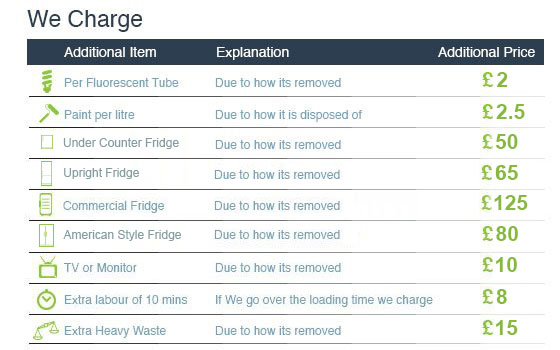
6. Not asking about hidden extras
Some quotes look fine until labour, stairs, disposal, or timing surcharges appear. The trick is to ask direct questions before the booking is confirmed. It is not rude. It is sensible.
7. Choosing a provider without checking trust signals
Do they explain their process clearly? Do they have clear policies? Can they talk about safety and payment in plain English? If those basics feel messy, the booking experience may be messy too. You can also review the company's about us page if you want a better sense of how they present themselves.
8. Ignoring safety in communal areas
Flat clearances often mean shared hallways, stairwells, or lifts. Rushing bulky items through these spaces can scratch walls or cause awkward confrontations with neighbours. Nobody wants that on a Tuesday before lunch.

Tools, Resources and Recommendations
You do not need specialist equipment to book well, but a few simple tools make the process easier.
- Phone camera: take clear photos of each room, hallway, and access point.
- Notes app or checklist: write down item types, approximate volumes, and any special concerns.
- Building contact details: keep concierge or management contact information handy.
- Measurements: measure lifts, doorways, and large items if access looks tight.
- Payment confirmation: save written confirmation of pricing and service terms.
For a clearer picture of how pricing is usually structured, the pricing and quotes page is worth reviewing before you schedule anything. If you are paying online or handling deposits, it also helps to check the payment and security guidance so you know what to expect.
One practical recommendation: keep a "collection corner" in the flat. Stack everything you want removed in one place if possible. It makes the loading faster, and the team can estimate the job more accurately at a glance. A small thing, but it helps.
Law, Compliance, Standards, or Best Practice
Waste removal is not just a matter of convenience. In the UK, waste has to be handled responsibly, and professional operators should dispose of it in line with accepted waste management practice. If you are hiring a service, you want a provider that takes safety, environmental handling, and lawful disposal seriously.
For flat residents, best practice usually means three things: give accurate information, ensure access is safe, and keep records of the booking. If there is any doubt about a special item, ask before collection day. That includes electrical items, awkward fixtures, and anything that may need separate handling.
Insurance also matters. Shared buildings are sensitive environments. A team should be able to work without creating damage or unnecessary risk. If you are comparing providers, their insurance and safety information should help you understand how they approach that responsibility.
For residents in busy London areas, local access rules, parking realities, and building policies are often more important than abstract regulations. The simplest safe rule is this: if the item is large, heavy, sharp, or awkward, do not guess. Ask. That one habit prevents plenty of trouble.
Options, Methods, or Comparison Table
Different clearance methods suit different flat scenarios. Here is a quick comparison to help you decide.
| Option | Best for | Pros | Watch-outs |
|---|---|---|---|
| Flat rubbish clearance service | Mixed household waste, furniture, bulky items | Fast, labour included, suitable for upper floors | Needs clear access and accurate description |
| Skip hire | Projects with lots of uniform waste | Useful for longer clear-outs | Can be awkward for flats, permits and placement matter |
| Self-loading and DIY removal | Very small amounts of waste | Can be cheaper upfront | Time-consuming, physically demanding, more risk of errors |
If you are unsure whether a skip is realistic for your building, compare it against the convenience of a crew-based service. In flat settings, the labour and access support often make the difference. A useful related page is skip hire, especially if you are weighing up long clear-outs versus a one-off removal.
Case Study or Real-World Example
Here is a common real-world scenario. A tenant in a two-bedroom flat near a busy road needs to clear a sofa, a bed base, four bags of mixed rubbish, and an old desk before checkout. The first instinct is to book the cheapest slot online and hope for the best.
But then they realise the lift is small, the concierge only accepts deliveries before midday, and there is no parking directly outside. Suddenly the "simple" booking becomes a chain of problems.
What works better? The tenant sends photos, confirms the lift dimensions, checks the building's loading window, and asks whether the crew can bring the items down from the fourth floor. The provider adjusts the booking, confirms the likely time on site, and sets expectations before arrival.
The result is dull in the best possible way: the team turns up, removes the items, and leaves the shared hallway clean. No last-minute arguing, no blocked lift, no one standing in the entrance with a half-dismantled desk. That is the kind of boring success you actually want.
This is also where local knowledge matters. In busy neighbourhoods, routes, access timing, and vehicle stopping points can make or break the day. If you are dealing with a time-sensitive collection, a local guide such as same-day rubbish removal in Angel N1 can help set your expectations before you book.
Practical Checklist
Use this before you confirm any flat rubbish clearance booking.
- Have I listed every item clearly?
- Have I included photos of the waste and access points?
- Do I know whether the lift works and whether it fits large items?
- Have I checked parking or loading restrictions?
- Have I asked what the quote includes?
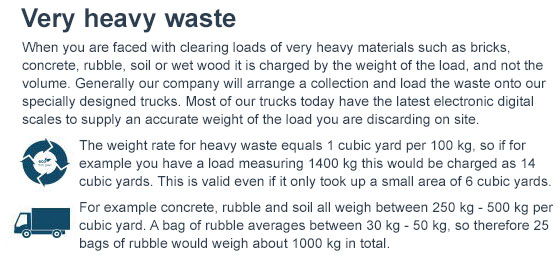
- Do I understand what counts as additional labour or extra weight?
- Have I separated items that may need special handling?
- Have I told building management or concierge if needed?
- Have I saved the booking confirmation in writing?
- Am I confident the provider is insured and clear about safety?
If you can tick most of those boxes, you are already ahead of the curve. Honestly, that is where the smooth bookings come from: a little organisation up front.
Conclusion
Booking rubbish clearance for a flat does not have to be complicated, but it does reward careful planning. The biggest mistakes are usually the easiest to avoid: unclear item lists, poor access checks, unrealistic timing, and assumptions about what the quote includes. Once you slow the process down just enough to ask the right questions, the job gets much easier.
For most flat residents, the goal is simple: get the clutter out, avoid damaging the building, and keep the whole thing fair and straightforward. Do that, and the experience feels less like a hassle and more like a reset. A good one, too.
Get a free quote today and see how much you can save.
If you are comparing options or want to speak with a local team about your flat's access, timing, or item list, the easiest next step is to explore the relevant service pages and get clear on what you need before booking. A careful first conversation saves a lot of bother later.


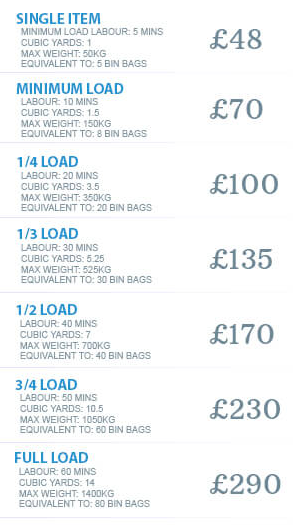
 Tipper Van - Rubbish Removal and Junk Collection Prices in Islington N1
 Luton Van - Household Waѕte & Green Waѕte Removal Prices