Islington council rules for bulky waste collection explained
Posted on 31/07/2026
If you've ever stared at an old sofa, a broken wardrobe, or a mattress that somehow feels heavier than it looks, you'll know bulky waste can turn into a bit of a headache fast. This guide has Islington council rules for bulky waste collection explained in plain English, so you can work out what's allowed, what usually gets rejected, and how to choose the simplest route. Whether you live in a flat off Upper Street, a maisonette near Caledonian Road, or you're clearing a property before a move, the basics are the same: plan ahead, separate items properly, and don't leave it until the hallway is packed with furniture no one can get past.
We'll walk through how bulky waste collection typically works in Islington, what counts as bulky waste, the practical pros and cons of council collection versus private clearance, and the mistakes that trip people up. A few of the details change over time, so treat this as a clear, working guide rather than a replacement for checking the latest local advice. That said, it should save you a lot of time and a fair bit of stress.
Quick takeaway: bulky waste collection is usually best when you understand the item rules, book early, and prepare access properly. The biggest problems are simple ones: the wrong items, poor timing, and not enough space for collection.
Why Islington council rules for bulky waste collection explained Matters
Bulky waste sounds straightforward until you actually have to deal with it. A single item can be too large for a standard wheelie bin, too awkward for the lift, and too easy to leave sitting in a communal corridor. In a dense borough like Islington, that can create access problems, fire safety concerns, neighbour complaints, and a mess that becomes more stressful by the day.
Knowing the council's bulky waste rules matters for three reasons. First, it helps you avoid wasted effort. Nothing is more irritating than dragging a heavy item downstairs only to find it can't be collected in the way you expected. Second, it helps you avoid accidental non-compliance. Put bluntly, some items need special handling, and dumping the wrong thing with general waste is not a good idea. Third, it helps you choose the right removal method. Sometimes council collection is perfect. Sometimes private rubbish clearance is faster and, for mixed loads, actually simpler.
In our experience, the people who struggle most are usually the ones doing a flat clearance under time pressure. One minute they're sorting old furniture, the next they're trying to squeeze a mattress into a doorway while the postie is politely waiting. It happens. The better approach is to understand the process before the pile starts growing.
If you want a broader picture of local living and moving patterns, it can also help to read local insights about living in Islington and property sales in Islington, especially if you're clearing a home before listing it.
How Islington council rules for bulky waste collection explained Works
At a practical level, bulky waste collection is about arranging for large household items to be picked up separately from normal rubbish. The exact rules can vary, but the usual pattern is familiar: you identify the items, check they're accepted, book a collection, place the items where instructed, and make sure they're accessible on the agreed day.
Most councils apply conditions around what can be taken, how items must be presented, and whether there are limits on quantity or type. That may include furniture, white goods, mattresses, or other household items that won't fit in ordinary bins. Items that may contain hazardous components, electricals with specific treatment needs, or building-type waste often fall into different categories. That's where people get caught out.
There are two big things to remember. One: bulky waste is not the same as general household waste. Two: collection rules are usually as much about logistics as they are about the item itself. Narrow stairwells, no parking, controlled entry, or a top-floor flat can all change what's practical.
If your job is more involved than one or two items, it can be useful to compare alternatives. A local service such as rubbish collection in Islington or furniture disposal in Islington may be more efficient when you have mixed items or awkward access.
What usually counts as bulky waste?
Typical bulky waste includes sofas, armchairs, tables, chairs, wardrobes, beds, mattresses, shelving units, and larger domestic items that are too big for standard collection. Some electrical goods may be accepted as separate items, but that depends on the service and the item condition.
What usually causes a rejected collection?
Collections are often delayed or refused because the items were not presented correctly, the booking details were incomplete, the access was poor, or the load included restricted material. A broken chair is one thing; a chair mixed with bagged rubbish, paint tins, and renovation debris is another story entirely.
Key Benefits and Practical Advantages
There's a reason people keep trying to work this out before lift day. Done properly, bulky waste collection is convenient, tidy, and less stressful than trying to improvise. The main benefit is that it gives you a legal, organised way to move large items out of your home without turning the pavement into an obstacle course.
- Cleaner disposal: items are removed in a controlled way rather than left in communal spaces.
- Less lifting stress: you can plan around collection instead of rushing a last-minute dump run.
- Better for small homes: especially useful in flats where storage space is tight.
- Reduced neighbour friction: no abandoned sofa by the bins. That alone is worth something.
- More predictable planning: useful for moving, refurbishing, or clearing after tenants leave.
There's also a subtle financial advantage. If you only have a couple of items, council collection may be the most economical route. But if you have several bulky pieces, access issues, or a deadline, a private collection can sometimes save you time that would otherwise disappear into multiple booking steps, carry-downs, and rescheduling.
For people doing more than one room at a time, broader clearance services may make sense. For example, house clearance in Islington or loft clearance in Islington can be the cleaner choice when bulky items are only part of a larger clear-out.
Who This Is For and When It Makes Sense
Bulky waste collection is for anyone with items that are too large or awkward for normal bin services. In Islington, that often means residents in flats, landlords between tenancies, homeowners after a refurb, and people preparing a property for sale or rent.
It makes particular sense if:
- you only have one or two large items;
- the items are standard household goods;
- you can store them safely until collection day;
- the access route is simple enough for removal;
- you're happy to work to the council's timetable.
It may be less suitable if you need a same-day solution, have mixed waste including builders' debris, or can't leave items in a secure, accessible place. In those cases, a private service can be more flexible. If access is tight, have a look at what to know about access problems for rubbish removal in N1 and mistakes to avoid when booking rubbish clearance for flats; they're particularly relevant for upper-floor buildings and compact stairwells.
Truth be told, the deciding factor is often not the waste itself, but the life around it. Are you moving next week? Have you got guests arriving? Is the lift out of service? These small things change the whole plan.
Step-by-Step Guidance
Here's the simplest way to handle bulky waste without ending up in a tangle.
- Identify every item. Write down what you want removed and split it into standard bulky items, electrical items, and anything uncertain.
- Check whether the item type is likely to be accepted. If you're unsure, assume it may need separate handling until you confirm otherwise.
- Measure access points. Doors, corridors, stairwells, lifts, and parking space all matter more than people expect.
- Decide on council or private removal. Council collection may suit a small, simple job. Private clearance can be better for speed, volume, or tricky access.
- Book early. Don't leave it until the sofa is blocking the hallway on a Thursday night. That's how the week gets annoying.
- Prepare the items. Remove personal belongings, separate items where needed, and keep everything dry and reachable.
- Follow presentation instructions. If the collection requires items to be outside or in a designated spot, make sure they're placed correctly.
- Keep proof of booking and notes. If something goes wrong, you'll want the details handy.
A useful habit is to take a quick photo of the pile before it goes out. It's not about being dramatic. It's simply practical if you need to clarify what was booked, what was left behind, or what got moved at the last moment.
If the job expands while you're sorting, you may be better served by a broader services overview and a more tailored clearance plan rather than trying to force everything into one bulky waste collection slot.
Expert Tips for Better Results
A few small choices make a big difference.
Tip 1: Group items by type before you book. A sofa, mattress, and broken shelf may all feel like one job to you, but they can be treated differently in practice. Sorting early avoids awkward surprises later.
Tip 2: Don't mix bulky waste with loose rubbish. A neat pile is much easier to collect than a jumble of cushions, bags, cardboard, and half-dismantled bits of furniture. Keep the load clean.
Tip 3: Think about access at the end of the route, not just the beginning. The item might get out of the flat easily enough, but what happens once it reaches the front door, shared garden, or loading area?
Tip 4: Book around your building's rhythms. In a busy block, early morning or school-run hours can make collection trickier. A quieter window is often better, if you have any choice at all.
Tip 5: Be honest about condition. If an item is broken, damp, infested, or unstable, say so. The wrong assumption can lead to delays. Better to be upfront than to have somebody turn up and say, "Right, that changes things."
If you're dealing with furniture specifically, it can help to read more about recycling and sustainability. Reuse, repair, and responsible sorting are worth considering before anything heads to disposal.

Common Mistakes to Avoid
Most bulky waste problems are avoidable. That's the annoying part. The good news is that once you know the traps, they're easy enough to sidestep.
- Leaving it too late: bulky waste isn't always instant, so last-minute booking can become a problem.
- Guessing what counts as accepted waste: do not assume every large item is fine just because it's domestic.
- Blocking access: items left behind bikes, prams, or bins can be a real issue in shared buildings.
- Underestimating quantity: one wardrobe often becomes two wardrobes, then a bed base, then a small avalanche of "while we're at it".
- Forgetting about communal rules: some buildings have strict requirements for moving items through common areas.
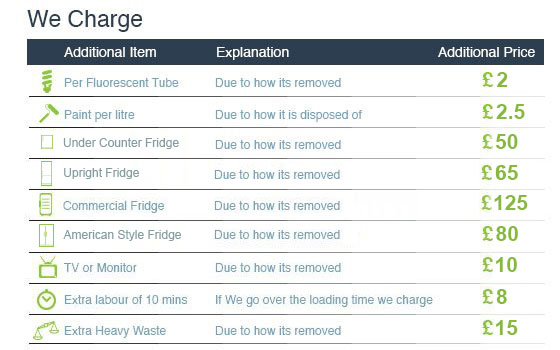
- Not checking for hidden costs or extra steps: especially if you're comparing private quotes.
A very common one, and I mean very common, is mixing council-friendly bulky waste with renovation debris. A broken wardrobe is one thing; plasterboard, tiles, or plaster dust are another. If your job includes anything like that, a dedicated service such as builders waste clearance in Islington is usually the better route.
Another mistake is forgetting how flats behave in real life. The lift can be busy, the stairwell narrow, and the front entrance shared by six people all trying to leave at once. It sounds obvious, but at the point of collection, it suddenly matters a lot.
Tools, Resources and Recommendations
You do not need fancy tools for bulky waste, but a few practical things help immensely.
- Tape measure: useful for checking doors, hallways, and item dimensions.
- Notebook or phone notes: to list items, booking details, and access instructions.
- Phone camera: for photos of the items, especially if you have stairs or awkward turns.
- Gloves and sturdy shoes: if you're moving items to a collection point yourself.
- Basic dismantling tools: a screwdriver or wrench may help reduce the size of bed frames and shelving.
For residents who want a smoother overall experience, it's sensible to compare the broader service options available. A quick look at waste removal in Islington and junk removal in Islington can help you judge whether you need a single bulky collection or a full mixed-load clearance.
If you want to understand pricing and planning before you commit, it's worth reviewing pricing and quotes. And if you're clearing items from a workplace rather than a home, office clearance in Islington may be the more relevant option.
Law, Compliance, Standards, or Best Practice
When dealing with bulky waste, the safest approach is to follow the council's published instructions closely and avoid guessing. In UK waste management, the big principles are simple: dispose of waste responsibly, don't leave items where they create hazards, and make sure anything handled by a private operator is managed properly.
For households, best practice usually means:
- sorting waste before collection;
- keeping prohibited items out of the load;
- presenting items in the right place and at the right time;
- using a service that operates responsibly and transparently;
- not abandoning bulky items on pavements or in shared spaces.
If you use a private clearance company, it's sensible to check that their insurance, safety, payment process, and terms are clear. That's not being fussy; that's common sense. A good operator should be able to explain how collections work, what happens to the waste, and what is included in the quote. If you'd like to see how a provider sets out those basics, have a look at insurance and safety and payment and security.
There's also a sustainability angle. Bulky waste should not simply be treated as "all to landfill and hope for the best". Responsible sorting, reuse where possible, and recycling where appropriate are all part of good practice. That's especially relevant for furniture, which can often be assessed for reuse or material recovery depending on condition.
Options, Methods, or Comparison Table
Below is a simple comparison to help you decide which route fits your situation. No single option suits every household, and that's fine.
| Option | Best for | Typical strengths | Possible drawbacks |
|---|---|---|---|
| Council bulky waste collection | One-off or small household loads | Structured, familiar, suitable for standard items | May require waiting, item restrictions, and careful presentation |
| Private bulky waste removal | Urgent jobs, mixed items, difficult access | More flexible timing, faster turnaround, tailored handling | Can cost more depending on volume and access |
| DIY disposal | Residents with transport and time | Direct control over timing | Physically demanding, time-consuming, and not ideal for large items |
| Full property clearance | Moves, probate, refurbishments, tenancy changes | Removes several item types in one go | More than you need if you only have one or two items |
As a rule of thumb, if your bulky waste is simple and you can wait, council collection is often enough. If your day is already chaotic, or the items are mixed, a private clearance route is usually easier. You know your situation better than anyone else does. That counts.
Case Study or Real-World Example
Here's a realistic example. A tenant in a second-floor Islington flat needs to clear a bed frame, a mattress, and an old chest of drawers before handing back the keys. The flat has a narrow stairwell, the lift is small, and there's not much space outside. They first assume everything can be left by the front entrance the night before.
That plan sounds fine until the building manager says items can't block the shared walkway. So they rethink it. One option is to book the council service and carefully place the items in the approved collection point, but the timing is tight and the access is awkward. Another option is to use a private removal service that can carry items down from the flat and remove them on the same visit.
In this kind of case, the second route often feels calmer. Not because council collection is bad, just because the logistics are better matched to the job. There's less uncertainty, and the tenant can hand over the keys without that nagging thought of "Did I leave the drawers in the wrong spot?"
That sort of practical judgement is where local knowledge really helps. If the property is part of a larger move, you might also find it useful to read smart real estate buying in Islington or Islington's premier party locations if you're planning a sale, rental turnover, or event-based property refresh. A bit of context goes a long way.
Practical Checklist
Use this checklist before you book or place any bulky waste out for collection.
- List every item clearly.
- Separate standard bulky items from electricals or restricted materials.
- Measure the largest item and the narrowest access point.
- Check whether the items need to be dismantled.
- Confirm where the items should be placed for collection.
- Make sure the collection point will be accessible on the day.
- Remove personal items from drawers, cushions, and hidden compartments.
- Keep booking details handy in case you need to confirm anything.
- Protect floors or walls if you're carrying items through tight spaces.
- Have a backup plan if the item turns out to be too large or too awkward.
Small checklist, big relief. Honestly, that's often how these jobs work.
If you need help deciding the best route for your household, you can also explore about us for more background on the provider, or use the main contact page to ask about your specific collection needs.
Conclusion
Bulky waste doesn't have to become a mini crisis. Once you understand the council rules, the process is much easier to manage. The main things are straightforward: know what counts as bulky waste, check the item restrictions, prepare access properly, and choose the collection method that fits your timeline and building layout.
For a small, standard collection, the council route may be perfectly suitable. For urgent, mixed, or awkward jobs, a private clearance option can save you a surprising amount of hassle. Either way, the trick is to plan early and avoid guessing. That's the part people usually wish they'd done first.
Get a free quote today and see how much you can save.
And if you're standing in the hallway right now wondering where on earth that old wardrobe is meant to go, take a breath. You've got a workable plan now, and that's half the battle.


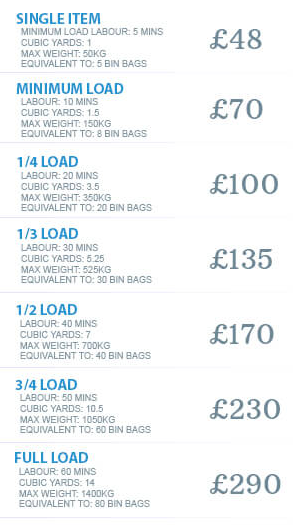
 Tipper Van - Rubbish Removal and Junk Collection Prices in Islington N1
 Luton Van - Household Waѕte & Green Waѕte Removal Prices