Guides to permits for vans and rubbish removal in Islington
Posted on 18/08/2026
If you are planning a clearance in a busy part of North London, the paperwork can feel like the annoying bit nobody warns you about. Vans, loading access, parking restrictions, timings, and disposal rules all matter, especially in Islington where streets can be tight and a five-minute delay can become a real problem. This guide to permits for vans and rubbish removal in Islington breaks everything down in plain English so you can move waste legally, avoid avoidable fines, and keep the job moving without drama.
Whether you are clearing a flat, finishing a refurbishment, emptying a garage, or arranging a one-off collection, the key is to understand when a van permit, parking arrangement, or waste duty applies. We will walk through the practical side of the process, the common mistakes, and the best ways to stay compliant while keeping costs under control. Nothing flashy. Just the stuff that actually helps.

Why Guides to permits for vans and rubbish removal in Islington Matters
Islington is one of those places where the road layout, parking pressure, and daily traffic patterns can turn a simple rubbish removal into a bit of a puzzle. You might have a narrow street, controlled parking zone, bay restrictions, limited loading space, or neighbours who are not exactly thrilled by a van idling outside for too long. So yes, permits matter. A lot.
For householders and businesses alike, the real issue is not just whether a van can stop outside for long enough. It is whether the vehicle is allowed to stop there at all, whether the loading activity is lawful, and whether the waste is being handled in line with good practice. In a borough like Islington, where flats, terraces, converted buildings, and busy mixed-use streets are all packed together, getting that wrong can mean wasted time, added costs, and a very stressful day.
There is also the wider issue of trust. When you book a clearance, you want to know the waste is going to be collected properly, taken to the right place, and handled by people who understand what they are doing. If you are comparing services, the information on service options in Islington and the company's approach to insurance and safety can be useful signals. Little details matter here. They really do.
How Guides to permits for vans and rubbish removal in Islington Works
At a practical level, the process usually has three moving parts: access, vehicle use, and waste handling. If the van needs to stop on a public road, you need to think about whether parking or loading is allowed at that time and in that place. If the waste is coming from a home, office, garden, or building project, you also need to know how the items will be sorted, lifted, loaded, and taken away.
The most common mistake is assuming that "it's only a quick job" means no permit or permission is needed. In reality, quick jobs can still need planning. A van may need a loading bay, a suspension of parking, a permit for a controlled zone, or a sensible alternative such as collection at a less restricted time. The job does not have to be huge for the rules to matter.
For rubbish removal specifically, a good operator will normally assess:
- the size and type of vehicle needed
- street access and turning space
- lifting distance from property to van
- stair access, lifts, and entry restrictions
- whether bulky items need disassembly
- what can be reused, recycled, or must be disposed of separately
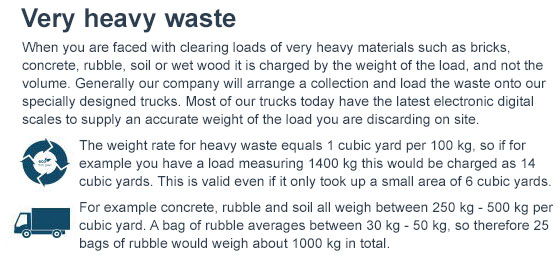
If you are handling builders' waste, access gets even more important. Heavy rubble, timber, plasterboard, and mixed construction debris can create weight and loading issues that are easy to underestimate. The dedicated page on builders' waste clearance in Islington is worth a look if your project is more than a simple household tidy-up.
Key Benefits and Practical Advantages
The obvious benefit is simple: fewer delays. But the less obvious benefits are often the ones people remember afterwards. A properly planned collection can save you from awkward parking fines, reduce the risk of blocking traffic, and make the whole day feel calmer. To be fair, calm is underrated when you are standing in a hallway full of boxes and old furniture.
Here are the main advantages of getting permits and rubbish removal planning right:
- Better timing - collections can be scheduled so the van is where it needs to be when it needs to be there.
- Lower risk of penalties - the fewer parking and access surprises, the better.
- Cleaner workflow - crews can load more efficiently when access is planned.
- Less disruption to neighbours - especially important in shared blocks and on narrow residential roads.
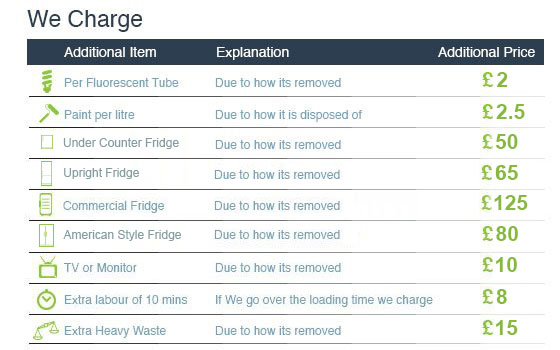
- More predictable pricing - hidden access issues often lead to rushed extras; planning helps avoid that.
- Better recycling outcomes - sorting waste properly at the start usually improves what can be recovered.
If price clarity matters to you, it is worth reading about pricing and quotes and the practical advice in how to avoid hidden fees in Islington rubbish removal quotes. The cheapest quote is not always the best value, especially if access issues are likely to appear on the day.
Who This Is For and When It Makes Sense
This guide is useful for a lot of people, not just homeowners. In fact, some of the trickiest cases happen in commercial or managed buildings where access has to be coordinated around other people's schedules. Typical situations include:
- flat clearances in mansion blocks or converted houses
- house moves and end-of-tenancy clear-outs
- office decluttering and desk replacements
- garage, loft, or shed clearances
- small renovation or builders' waste jobs
- garden waste collections after landscaping
- bulky item removal after a property sale
It also makes sense if you live on a road where stopping for even a few minutes can be tricky. Anyone who has watched a van circle a block in the rain while the crew tries to find a legal place to wait will know the feeling. Frustrating, and a bit noisy too.
If you are moving because of a sale or purchase, the timing can be especially tight. That is where local planning helps. The guides on property sales in Islington and smart real estate buying in Islington can be useful background if your clearance is tied to a completion date or viewings.
Step-by-Step Guidance
If you want the process to feel manageable, break it down. Really. Do not try to solve the whole thing in your head at once.
- List everything that needs removing. Separate furniture, appliances, garden waste, builders' waste, and anything hazardous or specialist.
- Check access realistically. Measure stairwells, hallways, lifts, and doorway widths if needed. If the van cannot park close by, allow extra time.
- Confirm whether a van stop or loading arrangement is needed. If the collection involves a public road or restricted bay, factor in permit needs early.
- Ask how the waste will be handled. A responsible provider should be able to explain what happens to reusable, recyclable, and residual waste.
- Agree the schedule clearly. Morning collections can be easier in busy streets, but only if access is available. Afternoon jobs sometimes work better in quieter residential pockets.
- Prepare the site. Clear hallways, move parking obstacles if you can, and keep the route to the van open.
- Keep documents and contact details handy. That helps if the crew needs quick clarification on access or item types.
A small real-world example: a resident in a top-floor flat near a busy road thinks the job will take twenty minutes. Then the lift is out, the parking bay is full, and a large wardrobe needs dismantling. Suddenly, the schedule changes. A bit of advance planning can save the afternoon. It really can.
For jobs where collections need to happen fast, the article on same-day rubbish removal in Angel N1 explains some of the timing pressures that can come up in central parts of the borough. If access is difficult, read what to know about access problems for rubbish removal in N1 before you book.
Expert Tips for Better Results
The best runs are usually the ones where nobody has to improvise too much. That is the honest truth. Here are the habits that make a noticeable difference:
- Book with access details, not guesses. Tell the provider about stairs, gates, low ceilings, no lift, or residents' permit zones.
- Separate waste by type beforehand. Mixed piles slow everything down and can affect recycling outcomes.
- Choose quieter loading windows when possible. Early morning or mid-morning often works better than peak commuter times, but local conditions vary.
- Photograph bulky items. A quick picture helps if the crew needs to estimate vehicle size or lifting requirements.
- Protect shared areas. In flats, a bit of floor covering or careful routing goes a long way.
- Ask about exclusions early. Hazardous materials, fridges, or certain electrical items may need special handling.
If your rubbish removal is part of a wider clearance, you might also find it useful to look at house clearance in Islington, office clearance, or garden waste removal. Matching the service to the job is one of the easiest ways to avoid unnecessary back-and-forth.
One small tip that sounds obvious but gets missed all the time: check the route from the front door to the van. Not just the front door. The whole route. A tight corner, one step too many, or a locked side gate can turn a quick pickup into a slow one.
Common Mistakes to Avoid
A lot of the pain in rubbish removal comes from avoidable assumptions. These are the usual suspects:
- Assuming parking will be fine on the day. In Islington, "it'll probably be okay" is not a strategy.
- Underestimating volume. Two piles in the hallway can become three piles by lunchtime.
- Forgetting about access restrictions. Shared entrances, timed entry systems, and locked gates can all slow things down.
- Not checking the price basis. Some quotes are based on volume, some on labour, and some on access assumptions.
- Leaving items mixed together. Recycling and disposal are easier when categories are clear.
- Booking too late. Tight deadlines are where mistakes start breeding.
Flat-based removals can be especially awkward. If that is your situation, the guide on mistakes to avoid when booking rubbish clearance for flats is a good companion read. And if your work touches a service area with bulky item rules, the page on Islington Council rules for bulky waste collection adds helpful context.
Truth be told, the biggest mistake is often speed. People rush because they want the job finished, then spend longer fixing a rushed booking. Bit annoying. Very avoidable.
Tools, Resources and Recommendations
You do not need a toolkit the size of a building site, but a few simple items make the day smoother:
- measuring tape for furniture and access points
- marker labels for sorting items
- strong bin bags or sacks for loose waste
- basic gloves and sensible footwear
- mobile photos of the load and access route
- a written list of items to remove
For recommendations, start with a provider that is upfront about what they take, how they price jobs, and how they handle safety. The pages on rubbish clearance, waste removal, furniture disposal, and junk removal help clarify the different service types so you can choose the right one.
If recycling is a priority, it is also worth reading the site's page on recycling and sustainability. A sensible operator should be able to talk plainly about what can be diverted from landfill and what needs separate treatment. That conversation should feel normal, not awkward.
Law, Compliance, Standards, or Best Practice
This part matters because rubbish removal is not just a logistics issue. It also touches legal and environmental responsibilities. In the UK, anyone carrying waste for business should be properly authorised and should deal with waste in a way that supports traceability and lawful disposal. As a customer, you should be careful about who you hand waste to and whether they seem to understand those responsibilities.
Best practice usually includes:
- using appropriately licensed or authorised waste carriers
- keeping rubbish transfer clear and documented
- avoiding fly-tipping risks by choosing reputable operators
- separating recyclable materials where practical
- handling electrical items, bulky items, and builders' waste appropriately
Parking and loading rules are another part of compliance. Even if a collection is short, it still needs to respect local parking restrictions, road markings, and access limitations. This is why a permit-friendly approach is so important. A van that saves five minutes by stopping in the wrong place can create a much bigger problem later. Nobody wants that story.
For general trust-building, it is sensible to review the company's policies on about us, terms and conditions, privacy policy, cookie policy, payment and security, and modern slavery statement. That may sound formal, but it gives you a better sense of how the business operates.
Options, Methods, or Comparison Table
There are a few common ways to deal with rubbish in Islington, and the right choice depends on access, volume, and timing. Here is a simple comparison.
| Option | Best for | Advantages | Limitations |
|---|---|---|---|
| Man and van clearance | Mixed household or office items, quick clearances | Flexible, often fast, helpful for awkward access | May still need parking or loading arrangements |
| Skip hire | Longer projects, ongoing DIY or renovations | Good for larger volumes, useful on-site storage | Space and permit considerations can be significant |
| Bulky item collection | Single items or limited furniture | Simple for smaller jobs | Less suitable for mixed or heavy loads |
| Full house or office clearance | Moves, probate, end-of-tenancy, business resets | Comprehensive and efficient | Needs stronger planning and clearer access details |
If your job involves ongoing waste from a refurbishment or trade project, comparing a van-based clearance with skip hire in Islington can be useful. For many households, though, a flexible collection vehicle is simply easier in a tight borough street.
Case Study or Real-World Example
Here is a typical local scenario. A couple in a first-floor flat in Angel are getting ready for a move. They have a sofa, a wardrobe, two broken chairs, a pile of boxes, and some old bits from the airing cupboard. On paper, it sounds straightforward. Then they realise the street has limited stopping space, the building entrance is narrow, and the lift is shared with other residents.
Instead of booking blindly, they share photos of the items, explain the access, and arrange the collection for a quieter mid-morning slot. They also clear the hallway the night before, so the crew is not weaving around shoes, prams, and shopping bags. Small things, but they help.
The result is not magic. It is just good planning. The van can load without blocking the street for ages, the crew knows what to expect, and the move goes on without the classic "this is taking longer than we thought" feeling. A little boring, maybe. But boring is often what success looks like in rubbish removal.
In areas with busy residential streets, local context matters too. If you are curious about the neighbourhood feel around your clearance, these background reads can help: a closer look at Islington and local insights on living in Islington. They are not permit guides, but they do help explain why access is such a big deal here.
Practical Checklist
Use this before you book, and again the day before collection.
- Have I listed every item that needs removing?
- Do I know whether the job needs a van stop, loading bay, or parking arrangement?
- Have I checked for stairs, lifts, gates, and narrow hallways?
- Have I separated reusable, recyclable, and general waste where possible?
- Do I know if any items need special handling?
- Have I cleared a route from the property to the vehicle?
- Is the booking time realistic for the street and access conditions?
- Have I confirmed the quote basis and any possible extras?
- Do I understand what happens to the waste after collection?
- Have I chosen a provider that seems clear, insured, and organised?
If you can tick those off, you are in good shape. Not perfect, maybe, but solid. And that is usually enough.
Conclusion
Guides to permits for vans and rubbish removal in Islington are really about making a busy job feel manageable. Once you understand access, parking, loading, and waste handling, the whole process becomes less mysterious and a lot less stressful. In a borough with tight streets and busy households, the winners are usually the people who plan a little earlier and ask better questions.
If you are dealing with bulky items, a flat clearance, a move, or a bigger project, start with the access details and build from there. That one step can save time, money, and a fair bit of irritation. And honestly, it keeps everyone happier - neighbours included.
Get a free quote today and see how much you can save.



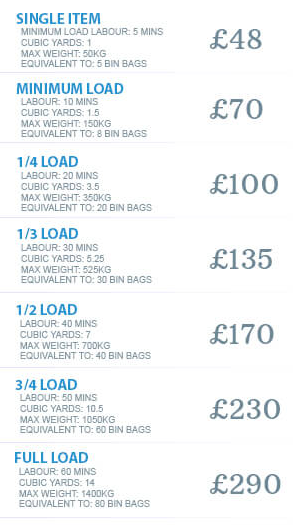
 Tipper Van - Rubbish Removal and Junk Collection Prices in Islington N1
 Luton Van - Household Waѕte & Green Waѕte Removal Prices