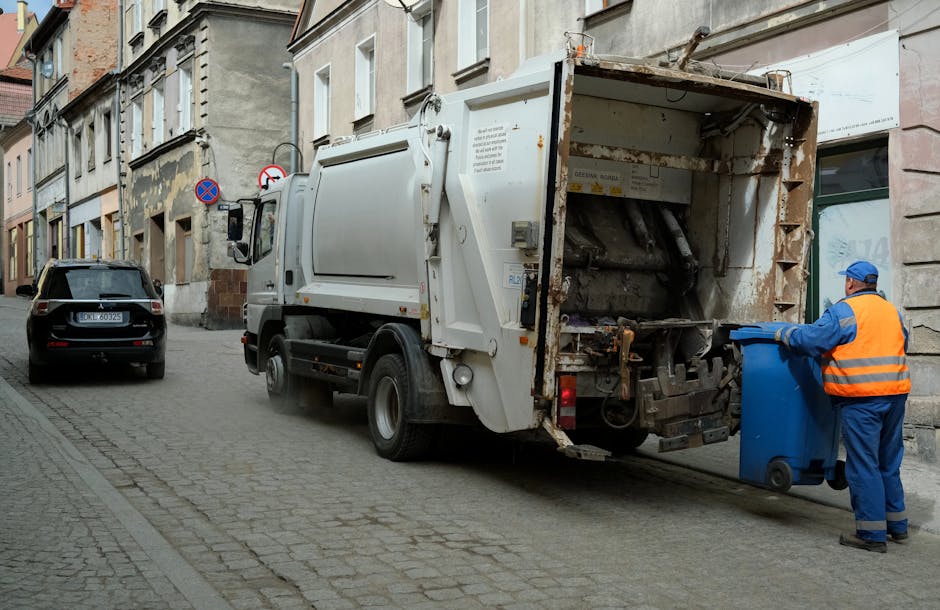
Canonbury estate rubbish removal what to expect
Posted on 22/06/2026
Canonbury estate rubbish removal: what to expect
If you are dealing with a flat clear-out, a bulky furniture pickup, or a general tidy-up on a Canonbury estate, it helps to know what happens before the team even arrives. Canonbury estate rubbish removal what to expect is really about three things: access, timing, and the way waste is handled once it is collected. Get those right, and the whole job feels far less stressful.
In Canonbury, the details matter. Estate roads can be tight, parking can be awkward, and shared entrances mean a bit of planning goes a long way. That is especially true if you are clearing a property after a move, preparing for tenants, or simply trying to reclaim a spare room that has slowly become a storage cave. Let's face it, these jobs tend to snowball.
This guide walks through the process in plain English. You will see how the service usually works, what is included, what can affect the price, and how to avoid the common hiccups that catch people out. If you want a broader overview of available options, you can also look at the services overview and the company's approach to recycling and sustainability.

Why Canonbury estate rubbish removal matters
Estate rubbish removal is not just about getting rid of clutter. In Canonbury, it often affects how quickly a flat can be let, how smoothly a sale can progress, and how comfortable a home feels day to day. A hallway full of broken furniture or bags stacked near the communal entrance can make an otherwise tidy property feel chaotic.
It also matters because estates have shared spaces. One person's "I'll move it out later" becomes everyone else's problem if it blocks a path, creates a smell, or invites fly-tipping. That shared responsibility is a big part of why professional rubbish clearance is so useful in estate settings. A proper collection is usually faster, tidier, and easier on neighbours than trying to drag everything down yourself over several trips.
There is another practical angle too. Estate living often means stairs, lifts, narrow corners, and limited loading space. That can turn a simple disposal job into a sweaty, time-consuming slog. A good team plans around these constraints instead of treating them as an afterthought. That's the difference between a smooth visit and a slightly frazzled one.
Expert summary: For Canonbury estates, the biggest value is not just removal - it is coordination. The best jobs are the ones that fit the building, the neighbours, and the timetable without fuss.
If your clear-out is tied to a move, refurbishment, or end-of-tenancy changeover, it may help to read related local context such as property sales in Islington and smart real estate buying in Islington. Those situations often create the same cleanup pressure, just with different deadlines.
How Canonbury estate rubbish removal works
Most estate rubbish removal jobs follow a straightforward pattern. The exact details vary depending on the amount of waste, the building access, and whether the load includes bulky or awkward items, but the overall process is fairly consistent.
1. Initial enquiry and description of the waste
You normally start by describing what needs to go. Be as specific as you can. A "few bits of furniture" can mean anything from a single chair to a wardrobe, mattress, and dismantled shelving unit. Photos help a lot. They allow the team to judge volume, access, and whether there are any issues such as heavy lifting or restricted entry points.
2. Quotation and time estimate
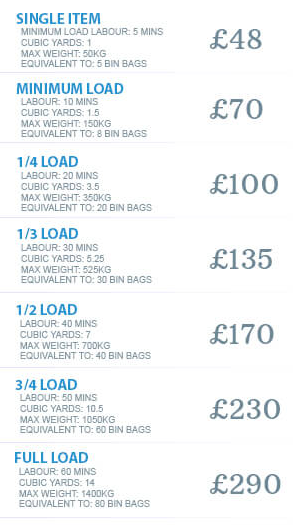
Once the waste has been reviewed, you should receive an estimated price and a rough time window. For estate collections, the quote often depends on volume, weight, item type, and how easy it is to carry items to the vehicle. Access is a big one. If there is no lift, or if parking is a bit of a dance, that can affect the job time.
For a clearer sense of how costs are usually presented, see pricing and quotes. That page is useful if you want to understand what a quote should cover before you book.
3. Arrival and on-site assessment
On the day, the team may confirm the waste in person before loading starts. This is normal. It gives everyone a chance to check whether the original estimate still makes sense. If you have added items since the quote, or if there is more than expected, the team may revise the price before moving ahead. That's fair enough, really.
4. Removal, loading, and sweep-up
The lifting begins. Items are carried out carefully, usually with an eye on walls, stairs, flooring, and shared areas. A decent crew will keep the route clear and avoid leaving bits behind. Once loaded, the area is swept or tidied so you are not left with the usual dust, screws, or that weird collection of packaging that always turns up after furniture has gone.
5. Transport and disposal
Collected waste is then taken for sorting, reuse, recycling, or disposal depending on the material. The aim should always be to divert as much as possible away from landfill where practical and lawful. For people interested in that side of the process, the site's recycling and sustainability page gives a useful picture of the approach.
When the job is booked through a properly run service, you should expect clear communication, respectful handling of the property, and a straightforward finish. Nothing theatrical. Just competent, tidy work.
Key benefits and practical advantages
There are plenty of reasons people choose rubbish removal rather than handling everything themselves. Some are obvious. Some only become obvious after you have tried lifting a sofa down two flights of stairs and nearly met your end on the landing. Slight exaggeration, but you get the idea.
- Speed: One collection can replace several personal trips to a reuse or disposal point.
- Less disruption: Shared entrances, corridors, and stairwells are cleared faster.
- Safer lifting: Heavy or awkward items are handled by people who do this regularly.
- Cleaner finish: Good services leave the space neater than they found it.
- Better recycling outcomes: Sortable waste can be separated for reuse or recycling.
- Convenience: Ideal when you are dealing with a move, renovation, or tenancy deadline.
There is also a quieter benefit: peace of mind. When the waste is gone, the room stops nagging at you. You can actually use the space again. Sometimes that is worth more than the physical clearance itself.
For bulky items like wardrobes, sofas, or office chairs, a specialist disposal service is often more practical than trying to squeeze everything into a standard vehicle. If that sounds familiar, pages like furniture disposal in Islington and rubbish clearance in Islington may be useful next reads.
Who this is for and when it makes sense
Canonbury estate rubbish removal suits a few different types of people. You may be in the middle of a move, dealing with a deceased estate, emptying a rented flat, or finally clearing out years of stored stuff from a loft, cupboard, or communal storage room. The common thread is simple: there is too much to manage alone, or too little time to do it comfortably.
It also makes sense if the waste is bulky, mixed, or awkward to move. Think broken shelving, damaged furniture, old mattresses, bagged general waste, flat-pack leftovers, or renovation debris that has appeared faster than expected. If builders have recently been in the property, you might also need a more tailored service such as builders waste clearance in Islington.
Estate-based rubbish removal is especially useful for:
- tenants moving out under time pressure
- landlords preparing a flat for new occupants
- homeowners downsizing
- families clearing a relative's property
- managers dealing with communal fly-tipped items
- people who cannot safely move heavy items themselves
Truth be told, it is not just for "big jobs". Even a relatively small collection can be worth outsourcing if access is awkward or you simply want the task gone in one go. And who doesn't, really?
Step-by-step guidance
If you want the process to feel calm rather than chaotic, it helps to prepare in a sensible order. The steps below are simple, but they save time.
- Separate the items you want removed. Keep anything you are unsure about in a different pile. That stops accidental disposal.
- Take clear photos. Include wide shots and close-ups of heavier items or anything unusual.
- Check access points. Think about stairs, lifts, gate codes, parking, and where the vehicle can safely stop.
- Ask about item categories. Some materials need special handling, so it is better to mention them early.
- Agree a time window. Estate collections work better when everyone knows when the load-out will happen.
- Prepare the route. Move fragile items, open gates if needed, and clear a path to the exit.
- Be present or reachable. A quick confirmation can prevent delays if the team has a question.
- Do a final walk-through. Before the vehicle leaves, check that everything intended for removal is gone.
One tiny but useful detail: label what is staying if the flat is cluttered. A strip of tape or a note on a box can save a lot of second-guessing later. It sounds basic. It is basic. Still, people forget it all the time.
If you are clearing a loft, garage, or garden store as part of an estate-wide tidy-up, the more specific pages like loft clearance in Islington, garage clearance in Islington, and garden waste removal in Islington may help you match the service to the job.
Expert tips for better results
Over time, the smoothest jobs tend to have the same habits in common. Nothing magical. Just decent preparation and a few practical choices made early.
Be honest about volume
Underestimating the amount of waste is one of the quickest ways to turn a simple collection into a slower, costlier visit. If a pile looks like "maybe two van loads", say so. If you are not sure, say that too. It is far better to be slightly cautious at the quoting stage than to guess and miss the mark.
Think about access before the team arrives
On an estate, access is often the real job. A short walk from the flat to the vehicle can feel very different when there are three doors, two flights of stairs, and a communal corridor to navigate. If parking is tight, say it early. If there is a lift that is small or unpredictable, mention that as well.
Keep mixed materials separate where you can
When items are sorted a little in advance, the collection usually runs more efficiently. For example, cardboard, soft furnishings, general household waste, and reusable furniture are easier to manage when they are not all tangled together.
Ask how reusable items are handled
If you have furniture or household items that might still be usable, ask whether they can be directed appropriately rather than treated as pure waste. Not every item will qualify, but it is a worthwhile question.
Schedule with the building in mind
Estate life has its own rhythm. School runs, bin days, deliveries, and neighbour parking all compete for space. If you can choose a quieter window, do it. Early morning or mid-morning slots can sometimes be a lot easier than squeezing the job into a busy afternoon. There, a little local common sense goes a long way.
For broader practical advice on how removal services are structured, the rubbish collection in Islington and junk removal in Islington pages can help you compare the kinds of jobs each service tends to cover.
Common mistakes to avoid
A few avoidable mistakes come up again and again. The good news is that they are easy to sidestep once you know what to watch for.
- Leaving booking too late: Estate move-outs and refurbishment timelines get busy fast.
- Not checking what is included: Make sure you know whether labour, loading, and disposal are part of the quote.
- Forgetting access restrictions: A forgotten gate code or parking issue can delay the job.
- Mixing kept items with waste: This is how things go missing. Usually the good stuff.
- Assuming everything can go together: Some materials need separate handling.
- Ignoring building rules: Shared estates sometimes have quiet hours or loading restrictions.
Another common issue is what I would call "optimistic clutter maths". People look at a room and think, it cannot be that much. Then they start separating items and suddenly, well, it is that much. Often more. A realistic inventory saves time and awkward back-and-forth.
If your project includes fitting out a new office, commercial unit, or shared workspace, it may be useful to compare with office clearance in Islington and house clearance in Islington. Different settings, but the same lesson: plan early, remove once, and avoid chaos.
Tools, resources and recommendations
You do not need specialist equipment for every job, but a little preparation helps. Here are the most useful things to have to hand before a collection.
- Phone camera: Use it to document the waste and the layout.
- Basic tape or labels: Helpful for marking items that are not being removed.
- Gloves and sturdy shoes: Sensible if you are moving smaller items beforehand.
- Bin bags or boxes: Good for sorting loose waste into manageable groups.
- Measurements: Handy if you are dealing with furniture that may need dismantling.
- Building access details: Codes, fobs, and contact names save time on the day.
For readers who want to understand the wider service picture, the site's about us page can be helpful, along with insurance and safety if you want reassurance around responsible working practices. Those pages are especially useful if you are comparing providers and want a bit more than a polished promise.
One practical recommendation: if you have several categories of waste, write a short list before the team arrives. It sounds almost too simple, but a handwritten list stops the classic "oh, and that chair as well" moment. Which, to be fair, happens a lot.
Law, compliance, standards and best practice
With rubbish removal, compliance is not just a box-ticking exercise. Waste needs to be handled responsibly, and in the UK that means paying attention to who collects it, where it goes, and how it is processed. You do not need to become a waste-law expert to book a collection, but it is sensible to choose a provider that works carefully and can explain what happens to the load.
Best practice usually includes:
- clear pricing and clear scope
- appropriate handling of bulky, heavy, or awkward items
- separating recyclable material where practical
- safe lifting and route planning in shared buildings
- respect for communal areas and neighbours
- proper disposal routes rather than informal dumping
If a company is vague about disposal methods or reluctant to answer safety questions, that is a small red flag. Not necessarily a deal-breaker, but worth paying attention to. The same goes for payment and terms. You should always know how the booking is handled before anyone starts carrying items down the hall. The site's payment and security and terms and conditions pages are useful reference points for that kind of due diligence.
There is also a wider responsibility angle. Good waste handling supports a tidier estate, reduces the chance of fly-tipping, and helps keep shared living spaces pleasant. Not glamorous, maybe. But very real.
Options, methods and comparison table
When people look at rubbish removal on a Canonbury estate, they are usually choosing between several workable methods. The right one depends on volume, access, budget, and urgency.
| Method | Best for | Main advantages | Possible drawbacks |
|---|---|---|---|
| Full rubbish removal service | Mixed waste, bulky items, quick turnaround | Fast, convenient, loaded for you | Can cost more than self-managed disposal |
| Skip hire | Longer projects, larger volumes, ongoing clear-outs | Good for gradual loading | Needs space, permits, and planning |
| Self-haul | Small amounts, flexible timing | Can be cheaper if you have transport | Time-consuming, physically demanding |
| Targeted item removal | A sofa, mattress, fridge, or single bulky piece | Simple and focused | Less efficient if more waste appears later |
For many estate jobs, a same-visit collection is the best balance of convenience and speed. Skip hire can work well for longer refurbishments, but in tighter residential settings it is not always the neatest choice. If you are unsure, compare the likely space needed, the time you have, and how much lifting you want to do yourself. That usually settles it.
If you are trying to decide between collection and skip-based disposal, the page on skip hire in Islington may help you think it through in a more practical way.
Case study or real-world example
Here is a realistic scenario from the kind of job people often face in Canonbury. A resident in a purpose-built estate flat has been preparing to move and discovers several years' worth of clutter in the spare room: a dismantled desk, a broken chair, boxes of old paperwork, a mattress, and a few bags of mixed household waste.
At first, it looks manageable. "I can do this in the morning," they think. Then they notice the lift is small, the corridor is narrow, and the mattress will not fit round the turn without being angled carefully. So the job becomes less about brute force and more about planning.
They take photos, list the larger items, and mention the access issue up front. The team arrives, confirms the load, and works methodically from the easiest items to the trickiest. The room is cleared, the corridor stays tidy, and the flat is ready for handover the same day. Not dramatic. Just a proper, clean result.
The real takeaway? In estate settings, the difference between a decent collection and a stressful one is usually preparation. Not perfection. Just enough preparation to stop surprises from multiplying.
Practical checklist
Use this checklist the day before or the morning of your collection. It keeps things simple.
- Have I listed everything that needs to go?
- Have I taken photos of the waste and access route?
- Do I know which items are staying?
- Have I checked stair, lift, or doorway restrictions?
- Do I know where the vehicle can stop?
- Have I mentioned anything heavy, fragile, or unusual?
- Is there someone available to answer questions if needed?
- Have I checked the booking time and any estate rules?
- Are valuables, documents, and personal items safely removed?
- Do I understand what the quote includes?
It is a short list, but it catches most of the common headaches. And really, that is all most people want: a tidy outcome without a small logistical drama.
Conclusion
When people search for Canonbury estate rubbish removal what to expect, they are usually looking for reassurance as much as information. They want to know the process will be straightforward, the property will be respected, and the waste will be dealt with properly. Fair enough. That is exactly what a good service should deliver.
The main things to remember are simple: describe the job clearly, prepare for estate access, check what the quote includes, and choose a service that handles waste with care. If you do those four things, the experience is usually smooth and, dare I say, almost pleasantly uneventful. Which is ideal, honestly.
If you are ready to take the next step, review the available services, think through the access details, and plan your collection with a clear head. A little organisation now can save a lot of lifting later.
Get a free quote today and see how much you can save.
And if the job feels big, don't panic. Most clear-outs look worse before they get better - then suddenly, they do get better.