Caledonian Road household rubbish collection guide
Posted on 29/05/2026
Sorting out household rubbish on Caledonian Road can feel straightforward at first, then suddenly not so straightforward at all. One week it's a broken chair and a couple of black bags; the next it's a loft clear-out, a mattress, old kitchen units, and that awkward pile of flat-pack packaging nobody wants to deal with. This Caledonian Road household rubbish collection guide is here to make the whole thing clearer, calmer, and much easier to act on.
Whether you live in a compact flat, a shared house, or you're dealing with a bigger clear-out after a move, the practical questions are usually the same: what can go where, how do you avoid missed collections, what should you do with bulky items, and when is a professional service worth it? We'll cover all of that in plain English, with local context, realistic steps, and a few useful judgement calls along the way. To be fair, rubbish is never glamorous, but getting rid of it properly can make a home feel instantly lighter.
Quick takeaway: the best rubbish collection plan is the one that matches your waste type, your available time, and your building access. A little preparation saves hassle, avoids overfilling bins, and keeps things moving smoothly.
Why Caledonian Road household rubbish collection guide Matters
Household rubbish collection matters because waste builds up quietly. It starts with one bag in the hallway, then another by the bin, then suddenly you're stepping around clutter every morning before the kettle's even boiled. On a busy road like Caledonian Road, where space is often tight and access can be awkward, waste management is not just about tidiness. It affects hygiene, building access, neighbour relations, and sometimes safety too.
It also matters because the wrong approach can cost you time and effort. Miss a collection window, leave bags in the wrong place, or put the wrong material out with general waste, and you may end up with a mess outside your door for longer than you'd like. In a shared block, that can quickly become everyone's problem. In our experience, the simplest homes are usually the ones that treat waste as a regular routine, not an afterthought.
For many residents, the real need is balance. You want a solution that's affordable, reliable, and not complicated. You also want to avoid over-reliance on guessing. Should this go in household waste, recycling, or a separate removal service? That's the kind of decision this guide is built to help with.
And if your situation is larger than the average bin day, it may help to look at broader support options such as rubbish collection in Islington or the wider services overview to understand what kind of collection is actually suitable.
How Caledonian Road household rubbish collection guide Works
At a practical level, household rubbish collection usually falls into a few categories: regular domestic bin waste, recycling, bulky waste, and special or awkward items that need extra care. The right method depends on what you've got, how much of it there is, and how quickly you need it gone. Simple enough, but the details matter.
For smaller day-to-day waste, most households rely on scheduled local collections and careful sorting at source. That means separating recyclables where possible, using the correct bags or bins, and keeping waste contained so it can be lifted safely. If items are too large, too heavy, or simply too much for normal collections, a dedicated household rubbish removal service may be more appropriate.
There is also the reality of access. Caledonian Road properties can vary from ground-floor flats to upper-storey homes with narrow stairwells, shared entrances, or limited kerbside space. That changes how collection works in practice. A service that seems simple on paper can become difficult if bulky items need carrying through tight hallways or down several flights of stairs. This is where planning really pays off.
Many residents also need to think about waste type. General household waste is one thing. Mixed junk, old furniture, garden cuttings, and leftover renovation debris are another. If the rubbish includes a mixture of materials, you may need a more flexible solution such as junk removal in Islington or a more tailored waste removal service.
Common household rubbish types
- Kitchen and living-room bagged waste
- Cardboard, paper, tins, and other recyclables
- Broken small appliances and mixed clutter
- Old furniture and bulky items
- Loft, garage, or storage-room clear-out waste
- Light garden waste from pots, cuttings, or trimmings
Key Benefits and Practical Advantages
A good rubbish collection plan does more than remove things from sight. It helps restore usable space, reduces fire risk from piled-up waste, and makes cleaning much easier. A clear home often feels quieter too. Less visual clutter, less stress. Sounds simple, and it is.
There's also a time-saving benefit. If you've ever tried to break down cardboard after a delivery, or wrestled a sagging bag down a staircase on a rainy evening, you know that rubbish can become a surprisingly annoying job. A reliable household collection approach keeps those tasks from turning into a weekend-killing chore.
Another advantage is flexibility. A professional or dedicated collection service can often handle mixed waste, awkward access, and one-off clear-outs in a way that standard bin collection cannot. That is particularly useful if you are clearing a room before a tenant change, preparing for a sale, or just trying to reclaim a spare room that has turned into a storage cave. Let's face it, that happens more often than anyone admits.
For residents who care about environmental impact, a structured collection route also helps separate recyclable materials from general waste where possible. If sustainability matters to you, it's worth reading the site's recycling and sustainability information to see how responsible disposal can fit into the bigger picture.
| Benefit | What it means in practice | Why it matters locally |
|---|---|---|
| Cleaner living space | Less clutter, easier cleaning, better room use | Helpful in smaller Caledonian Road homes where space is limited |
| Faster turnaround | Waste removed in one organised visit | Useful for busy households and shared properties |
| Safer handling | Heavy or awkward items are moved properly | Reduces strain in stairwells, hallways, and tight entrances |
| Better sorting | Recycling and general waste are handled more sensibly | Supports more responsible disposal overall |
Who This Is For and When It Makes Sense
This guide is for anyone living on or near Caledonian Road who wants a simple, practical way to manage household rubbish. That includes long-term residents, new movers, landlords, tenants, homeowners, and people preparing for a clear-out before sale or renovation.
It makes particular sense if you are dealing with one of these situations:
- you have more waste than fits in normal household bins
- you need to remove bulky household items
- you are clearing a flat before moving out
- you've got accumulated clutter in a loft, garage, or spare room
- you want a single visit rather than several trips to sort waste
- you prefer a hands-off solution because access or timing is tricky
It's also useful if you're trying to prepare a property for a new chapter. For example, if you are looking at a sale, a tidy, uncluttered home often presents better and feels easier to manage. You may find the related article on property sales in Islington helpful if your clear-out is linked to a move or market preparation.
And if you've just bought somewhere and inherited a few odd bits left behind by previous occupants - yes, the half-broken chair and mystery cable bundle, we've all seen it - then a focused clear-out can make the new place feel properly yours.
Step-by-Step Guidance
If you want the process to stay manageable, don't start with lifting. Start with sorting. That one change saves confusion later and makes it much easier to decide what needs to be collected, recycled, or disposed of separately.
1. Identify the waste type
Walk through the property and make rough categories: general rubbish, recyclables, furniture, household junk, and anything that might need special handling. You do not need to overcomplicate this. Just get a clear picture of what you're dealing with.
2. Separate reusable and recyclable items
Cardboard, some metals, clean plastics, and certain textiles may be suitable for recycling or reuse. Keep them apart from contaminated waste where possible. Damp cardboard or food-soiled packaging is usually a poor candidate for recycling, so don't overpromise to yourself.
3. Measure the bulky items
Door widths, stair turns, lifts, and hallway corners all matter. A sofa that looks manageable in a room can suddenly become an awkward monster at the landing. If access looks tight, note the dimensions before booking any collection.
4. Decide between local disposal and a removal service
Small household waste can often be handled through regular systems, but a larger clear-out is usually more efficient with a dedicated service. If you need help with mixed loads or quick collection, a rubbish clearance service in Islington may be a better fit than trying to manage everything yourself.
5. Prepare the area
Move items to a single place if you can do so safely. Keep pathways clear. If the property has shared access, be courteous and avoid blocking entrances. That small bit of care goes a long way, especially in busy buildings.
6. Book the right collection
Choose the method that matches the amount and type of waste. If you only need to remove a few items, a focused collection is often enough. If the job is larger, ask about wider household and property clear-out services. A clear quote upfront helps avoid awkward surprises later.
7. Confirm access and timing
Make sure someone will be available if needed, especially if entry codes, loading bay rules, or restricted parking are involved. London logistics can be a bit fiddly, no surprise there.
8. Check what has been removed
After collection, take a final look around. Sometimes one small item gets left behind in the rush. A final sweep saves a follow-up later.
Expert Tips for Better Results
Small changes make a big difference. A tidy collection day often starts the day before, not on the morning itself.
- Keep bags manageable. Overfilled sacks split easily and create extra mess.
- Flatten cardboard. It saves space and makes loading simpler.
- Store items dry. Wet waste is heavier and more unpleasant to handle.
- Group similar items together. It speeds up sorting and loading.
- Take photos of awkward items. A quick picture helps when asking for a quote.
- Leave a clear route. Hallways, stairs, and doorways should be easy to move through.
One practical tip that gets overlooked a lot: if you're clearing a room, start with the biggest item first. It's easier to judge the remaining space when the sofa, wardrobe, or broken desk has gone. That moment when the room suddenly looks bigger is always a bit satisfying.
Another useful habit is to keep a small "not sure" pile. Items you are undecided about should not hold up the whole job. You can review them after the main collection. This is especially helpful if you're sorting a loft or garage where half the contents are, frankly, a mystery.
If you want a broader idea of what a reliable service should cover, the about us page and insurance and safety information are useful places to check before you book anything.
Common Mistakes to Avoid
Most rubbish collection problems are preventable. Usually it's not the waste itself that creates stress, but the way it's prepared.
- Mixing everything together. This makes sorting harder and can create contamination issues.
- Leaving collection until the last minute. That's how simple jobs become urgent jobs.
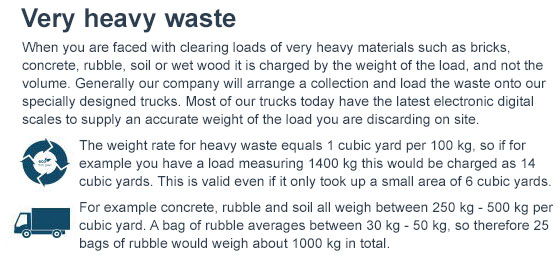
- Underestimating bulky waste. One old wardrobe can take more effort than five bin bags.
- Ignoring access restrictions. Shared entrances, parking rules, and stairwell width matter more than people expect.
- Assuming every item can go in household waste. Not always true, and it's better to check.
- Forgetting about sharp or hazardous edges. Broken glass, nails, and splintered wood need safer handling.
A classic mistake is booking the wrong type of service. Households sometimes need a full clear-out, but ask for a general bag collection, or the other way round. A quick conversation at the start avoids that mismatch. It sounds obvious. Still happens all the time.
Tools, Resources and Recommendations
You do not need fancy equipment to manage household rubbish well, but a few simple tools make the work easier.
- Heavy-duty bags: useful for dense household waste and mixed clutter
- Gloves: especially for dusty lofts, garages, or older furniture
- Box cutter or scissors: for flattening packaging safely
- Tape and labels: helpful when sorting items into groups
- Measuring tape: a must for bulky items and access checks
- Basic cleaning supplies: for a quick tidy once items are removed
For residents wanting a broader service, it can help to compare household waste support with house clearance in Islington, furniture disposal, or even garage clearance if the problem has spread beyond one room.
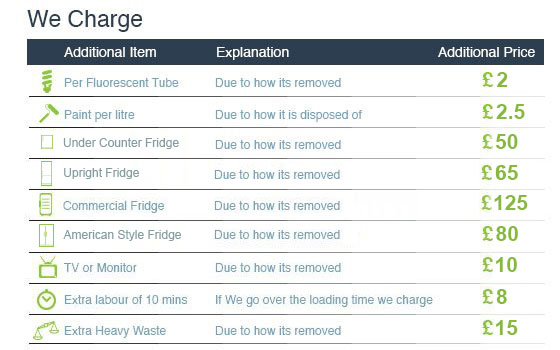
If you're on a tighter timeline, it's sensible to review pricing and quotes before committing. Clarity upfront is worth a lot. Nobody likes guessing at the end of a long day.
Law, Compliance, Standards, or Best Practice
Household rubbish collection should always be approached with care and common sense. In the UK, waste should be handled in a way that avoids nuisance, obstruction, and unsafe disposal. If you are arranging a private collection, choose a provider that explains how waste is handled and disposed of responsibly. That is basic good practice, not an optional extra.
For householders, the most useful compliance principle is simple: do not leave waste where it causes obstruction, attraction of pests, or risk to others. Sharp items, broken glass, and contaminated materials should be packaged safely. If a property includes building debris or heavier renovation waste, it may need a more suitable route than standard household collection. In those cases, builders waste clearance in Islington may be the more appropriate option.
Best practice also includes honest sorting. If something is recyclable, separate it where practical. If it's fragile or hazardous, keep it contained. If you're unsure about an item, ask before placing it in a general load. That small pause can save a lot of trouble later.
Responsible operators should also be transparent about payment, security, and terms. It's wise to review payment and security and terms and conditions so you know exactly what is included. Clear expectations build trust, simple as that.
Options, Methods, or Comparison Table
There isn't one single "best" way to handle household rubbish on Caledonian Road. The right choice depends on volume, speed, item type, and how much lifting you want to do yourself. Here's a straightforward comparison.
| Method | Best for | Pros | Trade-offs |
|---|---|---|---|
| Regular household bins | Small daily waste | Simple, routine, low effort | Limited capacity, not suitable for bulky items |
| DIY trips to a disposal point | Smaller one-off loads | Flexible, direct control | Time-consuming, transport needed, labour involved |
| Skip hire | Ongoing projects or larger loads | Good volume, useful for projects | Needs space and planning, not ideal for all streets |
| Household rubbish collection service | Mixed domestic waste, bulky items, clear-outs | Convenient, quick, handled for you | Requires booking and clear access |
If you're not sure which route fits best, think about the shape of the job rather than just the amount. A few bulky items can be harder than a lot of light bags. A big clear-out may need more than one method. That is normal.
Some households prefer the convenience of a direct collection, while others want to stage the work over a few days. If you are weighing up options, a service page like skip hire in Islington can be useful for comparison even if you ultimately choose a different route.
Case Study or Real-World Example
Imagine a second-floor flat near Caledonian Road Station. The residents have just finished a room refresh and now face the aftermath: broken wardrobe shelving, several bin bags of unwanted clothes, flattened boxes, a small bedside table, and a bulky armchair that nobody wants to look at again. The hallway is narrow, the stairs are tight, and the lift is, naturally, out of service for the day. Classic London timing.
The sensible approach in that situation is not to start hauling everything at once. First, separate reusable items, recycling, and general rubbish. Then measure the chair and shelving to confirm they'll fit through the building without damage. After that, schedule a collection with clear access notes and have the items grouped by the door. That alone reduces delays and avoids the common "we'll just move this later" problem that turns into a pile-up.
In this kind of real-world clear-out, the value of a good service isn't just removal. It's coordination. You want the waste gone without upsetting neighbours, scraping walls, or spending half the evening carrying awkward bits down the stairs. The result is usually a room that feels instantly calmer, and a sense that the job has actually been finished properly.
For households in similar situations, sometimes the right next step is a broader domestic clearance such as loft clearance or office clearance if the waste has spread into a work area or storage room. Different job, same logic: sort first, remove second.
Practical Checklist
Use this checklist before collection day. It keeps the process tidy and helps prevent the usual little snags.
- Sort items into general waste, recycling, and bulky items
- Remove reusable items you want to keep or donate
- Flatten cardboard and bundle light materials neatly
- Check stairways, entry points, and door widths
- Take note of any parking or access restrictions
- Keep sharp or broken items safely contained
- Group the waste in one easy-to-reach area
- Confirm the collection time and contact details
- Review the expected scope so nothing is missed
- Do a final sweep once the collection is complete
Tip: If a room looks "almost done," it probably still needs one final pass. The small scraps, battery chargers, cable ties, and half-empty boxes are the bits that tend to linger.
Conclusion
Household rubbish collection on Caledonian Road does not have to be a headache. Once you know what type of waste you have, how much there is, and what access looks like, the job becomes much more manageable. The trick is to keep the process simple: sort clearly, choose the right collection method, and avoid leaving awkward items to pile up.
For small daily waste, a steady routine is enough. For bulky, mixed, or time-sensitive clear-outs, a more hands-on collection service often makes life easier. The key is matching the solution to the real problem, not the imagined one. That alone saves time, stress, and a fair bit of lifting.
If you'd like friendly support with a household clear-out, service planning, or a quote for waste removal, the easiest next step is to get in touch through the main contact page.
Get a free quote today and see how much you can save.
And if you're ready to explore more about the company behind the service, you can also review the about us page for a better sense of how they work. Sometimes that little bit of reassurance is exactly what you need before booking.



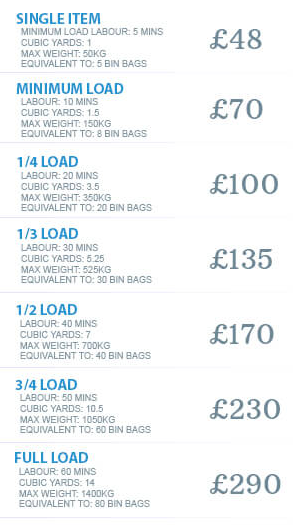
 Tipper Van - Rubbish Removal and Junk Collection Prices in Islington N1
 Luton Van - Household Waѕte & Green Waѕte Removal Prices