Avoid hidden fees in Islington rubbish removal quotes
Posted on 06/06/2026
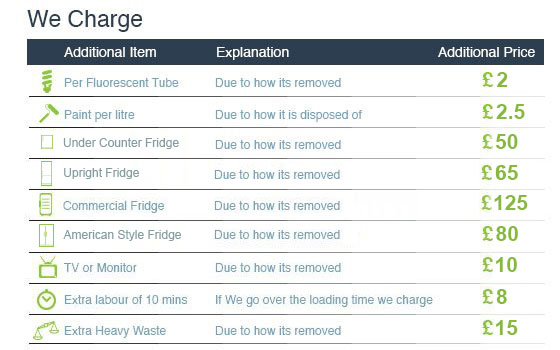
If you've ever compared rubbish removal prices and thought, "That sounds fine... but what's missing?", you're not alone. The whole point of getting a quote is to feel informed, not ambushed. Yet hidden extras can creep in quickly: labour charges, congestion-related costs, parking assumptions, minimum-load rules, even disposal fees that were never clearly explained.
This guide shows you how to avoid hidden fees in Islington rubbish removal quotes without getting lost in jargon. We'll walk through what to check, what to ask, and how to read a quote like someone who's done it before. Whether you're clearing a flat near Angel, shifting old furniture after a move, or arranging a full house clearance, the aim is simple: know the real cost before anyone turns up with a van.
And yes, a decent quote should feel boring in the best possible way. Clear, direct, no surprises. Lovely stuff.
Why hidden fees matter
Hidden fees are more than an annoying surprise. They can distort the whole decision-making process. A quote that looks cheap at first glance may become expensive once you add things like extra heavy lifting, restricted access, a second load, or charges for mixed waste. By the time the job is finished, the "good deal" can feel a bit cheeky, to be fair.
In Islington, this matters even more because many homes and streets create practical hurdles. Think narrow stairwells, controlled parking, basement flats, shared entrances, and busy roads where loading takes longer than expected. If a company has not priced those realities properly, you may end up paying for the gap later.
It also matters because rubbish removal is often time-sensitive. People book when they are moving, renovating, clearing a deceased estate, or prepping a property for sale. In those moments, the last thing you need is a quote that keeps changing. If you're also reading about property sales in Islington or planning around local moving timelines, cost certainty becomes even more important.
Expert summary: the cheapest rubbish removal quote is not always the best value. The right quote is the one that clearly explains what is included, what may change, and what the final bill could look like in realistic conditions.
How rubbish removal quotes should work
A proper rubbish removal quote should be built from the job itself, not from guesswork. In practical terms, the provider needs enough information to estimate labour, vehicle size, waste volume, disposal costs, and access conditions. If a quote is given without any meaningful questions, that's usually your first clue to slow down.
At a minimum, a transparent quote usually considers:
- the type of waste, such as general rubbish, furniture, garden waste, or builders' debris
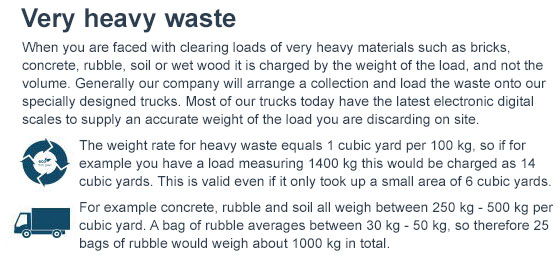
- the amount of waste, often described in cubic yards, van loads, or load fraction
- how easy it is to access the items
- how many staff are needed
- whether a permit, parking, or wait time may affect the job
- whether sorting, dismantling, or lifting from upper floors is included
That's the ideal. In real life, some quotes are only rough starting points. That is not automatically bad, but it must be stated clearly. If a company says the price is "from" a certain amount, you should ask what causes it to move. If it says "all-inclusive", ask what exactly that covers. The little phrase at the end of a quote often does the heavy lifting.
If you want a sense of how a provider frames services before you ask for numbers, the services overview is a sensible place to start. It helps you match your job to the right service rather than relying on vague assumptions.
Key benefits and practical advantages
When a quote is transparent, you gain more than cost control. You also get better planning, less stress, and fewer delays on the day. Simple, really.
1. You can compare like with like
Two quotes may look similar but include very different things. One may cover labour and disposal, while another excludes stair carry or difficult access. Transparent pricing lets you compare properly, which is what most people actually want.
2. You reduce the risk of a difficult arrival-day conversation
No one enjoys the awkward moment when the team arrives and says the job is larger than expected, or that parking adds an extra cost. Clear quotes reduce that friction. You should feel prepared, not cornered.
3. You can budget with confidence
If you are clearing a rental property, managing a renovation, or sorting a loft before a house sale, every pound matters. Predictable pricing helps you keep the whole project on track.
4. You avoid paying for duplication
Sometimes hidden fees appear because the same thing is charged twice under different names. A good quote should show whether you're paying for a full load, part load, additional labour, or disposal by weight. You shouldn't need a magnifying glass to work it out.
5. You make better service choices
A clear quote may help you decide between a full rubbish removal service, a one-off collection, or a different option such as skip hire in Islington. Sometimes the cheapest-looking route is not the most practical once access and labour are factored in.
Who this is for and when it makes sense
This matters for almost anyone arranging waste clearance in Islington, but some situations are especially fee-sensitive. If any of the following sounds familiar, you'll benefit from being extra careful with quotes.
- Home movers: moving house tends to expose last-minute waste piles, furniture disposal needs, and tight deadlines.
- Landlords and letting agents: end-of-tenancy clearances can involve more waste than expected, especially if items have been left behind.
- Homeowners clearing storage areas: lofts, garages, and sheds are classic "how did this much fit in here?" spaces.
- Office managers: office clearance jobs often include mixed materials, electronics, and furniture.
- Builders and tradespeople: construction waste can trigger different pricing rules from mixed household rubbish.
- Families dealing with urgent clear-outs: time pressure can make it easy to agree to a poor quote.
If your project is more specialised, for example if you need builders waste clearance in Islington or a full house clearance in Islington, the pricing structure may be different from a straightforward single-item collection. Same service category, very different job shape.
That is why "roughly how much will it cost?" is not the same question as "what exactly am I paying for?".
Step-by-step guidance
Here's the practical part. If you follow these steps, you'll dramatically reduce the chance of being surprised later.
- Describe the waste accurately. Say what the items are, where they are located, and whether they need dismantling or moving downstairs.
- Share access details. Mention stairs, lifts, rear access, parking restrictions, and whether the team can park nearby.
- Ask what the quote includes. Labour, loading, disposal, VAT if applicable, and any minimum charge should be clear.
- Ask what could change the price. A good provider will explain the exact triggers, not hide behind vague wording.
- Request confirmation in writing. Even a short written breakdown is better than relying on a memory or phone call.
- Check for extra conditions. Look for minimum load rules, time-window charges, or assumptions about item type.
- Compare the full value, not just the headline number. The cheapest quote can become the most expensive by the end of the job.
A useful habit: before accepting a quote, picture the team standing at your front door at 8:15 on a wet Tuesday morning. Will they still be able to do the job for the price they quoted? If the answer is "probably not", ask more questions.
For residential jobs in busy local streets, it can also help to read location-specific guides such as the same-day rubbish removal Angel N1 guide or the Caledonian Road household rubbish collection guide, because local access and timing can affect how a quote is built.
Expert tips for better results
There are a few small things that make a surprisingly big difference. These are the kinds of details that experienced customers tend to know, usually after one annoying near-miss.
Be precise about volume
"A few bags" and "half a van" are not the same thing. If possible, count bags, list bulky items, and send photos from multiple angles. Estimation errors are one of the most common reasons for quote changes.
Separate clear waste from mixed waste
Mixed waste is usually more complicated to sort and dispose of. If your job includes a combination of furniture, cardboard, rubble, and general rubbish, say so upfront.
Ask how labour is charged
Some providers price by load; others by time or team size. If a job involves stairs, awkward items, or dismantling, labour can matter as much as waste volume.
Look for wording that hides assumptions
Words like "subject to inspection", "starting from", or "additional fees may apply" are not necessarily bad. But they do mean you should ask follow-up questions.
Keep an eye on timing
Same-day jobs, evening slots, or busy weekend windows may cost more. If your schedule is flexible, ask whether moving the appointment changes the price.
Check the company's approach to payment and security
It's sensible to understand how payment is handled before booking. A professional provider should be clear about secure payment methods and what happens if the job details change. You can also review the site's payment and security information for added peace of mind.
Truth be told, the best quotes often come from the best questions. That is the bit people skip, and then they regret it later.
Common mistakes to avoid
Most hidden-fee problems are preventable. They usually happen when the quote stage is rushed. Here are the errors we see most often.
- Accepting a price before explaining the access. A ground-floor collection and a top-floor flat are not priced the same way in practice.
- Assuming bulky items are standard. Sofas, wardrobes, white goods, and office furniture may carry different handling costs.
- Not mentioning garden or builder waste. Green waste and construction debris often follow different disposal routes.
- Forgetting about parking or waiting time. In parts of Islington, loading can take longer than expected, especially if the vehicle cannot stop close by.
- Ignoring minimum charges. If you only have a small load, a minimum fee may make a full van service unnecessary.
- Failing to ask about VAT or disposal costs. "Cheap" quotes can become less cheap once the bill is final.
Another one, slightly embarrassing but common: people compare one company's full-service quote with another company's "from" price. That is not a fair comparison at all. It's apples and a shopping trolley.
Tools, resources and recommendations
You do not need complicated tools to avoid surprise charges. A bit of preparation is usually enough.
- Phone camera: take clear photos of the waste, access route, stairs, and parking situation.
- Simple item list: note large pieces first, then bags, boxes, and anything awkward to move.
- Approximate measurements: especially useful for wardrobes, mattresses, desks, or renovation debris.
- Booking notes: save the date, time, agreed price, and what was included.
- Service comparison: if you're unsure whether rubbish removal or another approach fits better, look at the wider rubbish clearance in Islington and waste removal in Islington options to see what matches the job.
If you are clearing furniture specifically, the page on furniture disposal in Islington can help you think through item type and collection scale before you request a quote. Likewise, for lighter domestic jobs, rubbish collection in Islington may be closer to what you need than a broader clearance service.
One practical recommendation: ask for an itemised quote whenever possible. It does not need to be a three-page novel. Just enough detail to show what you're paying for and what might alter the price. That's all.
Law, compliance, standards, or best practice
Without getting too heavy about it, rubbish removal companies in the UK should operate with proper waste handling, clear communication, and lawful disposal practices. As a customer, you do not need to become a compliance expert, but it helps to know the basics.
Best practice usually means:
- the business is transparent about what it removes and how it prices jobs
- the company explains whether disposal charges are included
- the team handles waste responsibly and does not encourage fly-tipping or shortcuts
- payment terms are clear before the work begins
- insurance and safety information is accessible if you want reassurance before booking
If you are curious about the provider's general approach, the site's insurance and safety and recycling and sustainability pages are useful reading. They help you judge whether the business is thinking beyond the immediate job and into the responsible handling of waste.
Also, be wary of any quote that sounds too casual about disposal. A professional company should be able to explain, in plain English, what happens to your waste after collection. No drama, no mystery.
Options, methods, or comparison table
Different rubbish removal approaches suit different jobs. The cheapest-looking option is not always the smartest one once access, volume, and time pressure are considered.
| Option | Best for | Common price trap | How to avoid it |
|---|---|---|---|
| One-off rubbish removal | Mixed household waste, small-to-medium clear-outs | Extra charges for stairs, lifting, or access | Provide photos and access details upfront |
| Furniture disposal | Sofas, tables, wardrobes, mattresses | Bulky-item handling costs | List each item and ask whether dismantling is included |
| House clearance | Full or partial property clear-outs | Volume underestimation | Walk through the property room by room before booking |
| Builders waste clearance | Renovation rubble, timber, packaging, debris | Mixed-material disposal complexities | Separate hardcore and general waste where possible |
| Skip hire | Longer projects with steady waste generation | Permit, placement, and overfill issues | Check site access and local placement needs first |
For some jobs, especially those involving ongoing renovation waste, it may be worth comparing direct removal with skip hire. For others, a quick collection is cleaner, faster, and often easier on a busy Islington street.
Case study or real-world example
Here's a realistic scenario. A resident in a first-floor flat near Upper Street needs to clear a sofa, a chest of drawers, several black bags, and some old shelves before handing back the keys. The first quote looks low. Nice. Almost too nice.
But the property has narrow stairs, limited loading space, and no lift. The company has not asked about parking or access. The resident assumes the price includes everything. On collection day, the crew explains that additional labour applies because the items are upstairs and the vehicle cannot park directly outside. Suddenly the cheap quote is no longer cheap.
Now compare that with a better process. The resident sends photos, explains the stairs, mentions the access restrictions, and asks for a written breakdown. The final quote is a little higher at the start, but it matches the actual job. No awkward conversation. No last-minute rethink. Just the work getting done.
That is the whole game, really. A realistic quote can feel less exciting than a bargain, but it usually saves time, money, and a small amount of irritation. And in a city flat on a busy day, irritation arrives quickly enough on its own.
Practical checklist
Use this checklist before you accept any rubbish removal quote in Islington.
- Have I described the waste accurately?
- Have I included photos or a clear item list?
- Have I explained access, stairs, parking, and loading restrictions?
- Do I know whether labour, disposal, and VAT are included?
- Do I understand what could increase the price?
- Have I asked whether dismantling or heavy lifting is extra?
- Is the quote in writing, even if brief?
- Have I compared the full service, not just the headline figure?
- Do I know what happens if the load turns out larger than expected?
- Have I checked whether the service type matches my job?
If you can tick most of those off, you are in a much stronger position. It really is that simple.
Get a free quote today and see how much you can save.
Conclusion
To avoid hidden fees in Islington rubbish removal quotes, focus on clarity first and price second. Ask what is included, what could change, and how the provider handles access, labour, disposal, and timing. If a quote is vague, keep asking until it isn't. A good provider will not mind.
In practice, the smartest customers are rarely the ones who chase the lowest headline figure. They are the ones who compare fairly, document everything, and choose a service that matches the real job. That approach saves money, yes, but it also saves hassle. And honestly, hassle is often the most expensive part.
When the quote is clear, the job feels lighter before the first bag is even lifted. That's the kind of simple win worth going for.



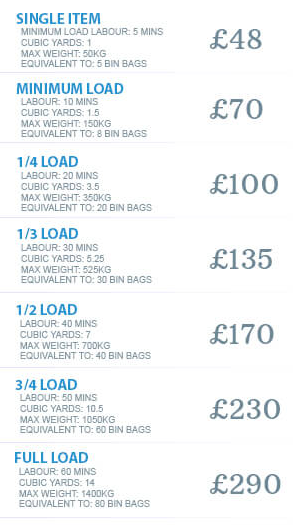
 Tipper Van - Rubbish Removal and Junk Collection Prices in Islington N1
 Luton Van - Household Waѕte & Green Waѕte Removal Prices